35 Amazing Things To Do In Vietnam On Your Vacation
I’ve spent years traveling around Vietnam, and I still haven’t run out of new places to add to my list. This guide covers the things I keep coming back to, plus a few newer spots that earned their place after I tried them myself.
I’ve grouped everything by region and added notes on where to book and where to stay. You can use this as a straight bucket list, or pull pieces from it to build your own Vietnam itinerary.
If you’re still deciding which regions to prioritize, my guide to where to go in Vietnam is a good place to start before you get into this list.
Vietnam trip planning, quickly
Best time to visit: Vietnam is long and narrow, so the weather changes a lot by region. The north, including Hanoi, Sapa, and Ha Giang, is best from September to November and March to May.
The south, including Ho Chi Minh City, Phu Quoc, and the Mekong Delta, stays warm year round, with a dry season from December to April.
Getting around: A mix of flights, trains, and buses works best for most trips. My Vietnam transportation guide covers routes and booking tips.
Before you go:
- Get a Vietnam eSIM so you have data the second you land
- Compare travel insurance options before you book anything else
- If you’re self-driving any part of your route, compare rental cars early since prices climb closer to your dates
Stroll the Golden Bridge in Ba Na Hills
The first time I saw a photo of the Golden Bridge in Ba Na Hills, I thought it looked a bit staged. Two giant stone hands holding up a walkway sounded more like a theme park prop than a real bridge.
And then I stood on it myself, above the clouds, and I got it. The scale is bigger than any photo shows, and the carving on the hands is detailed enough that I stopped to look closely instead of just snapping a picture.
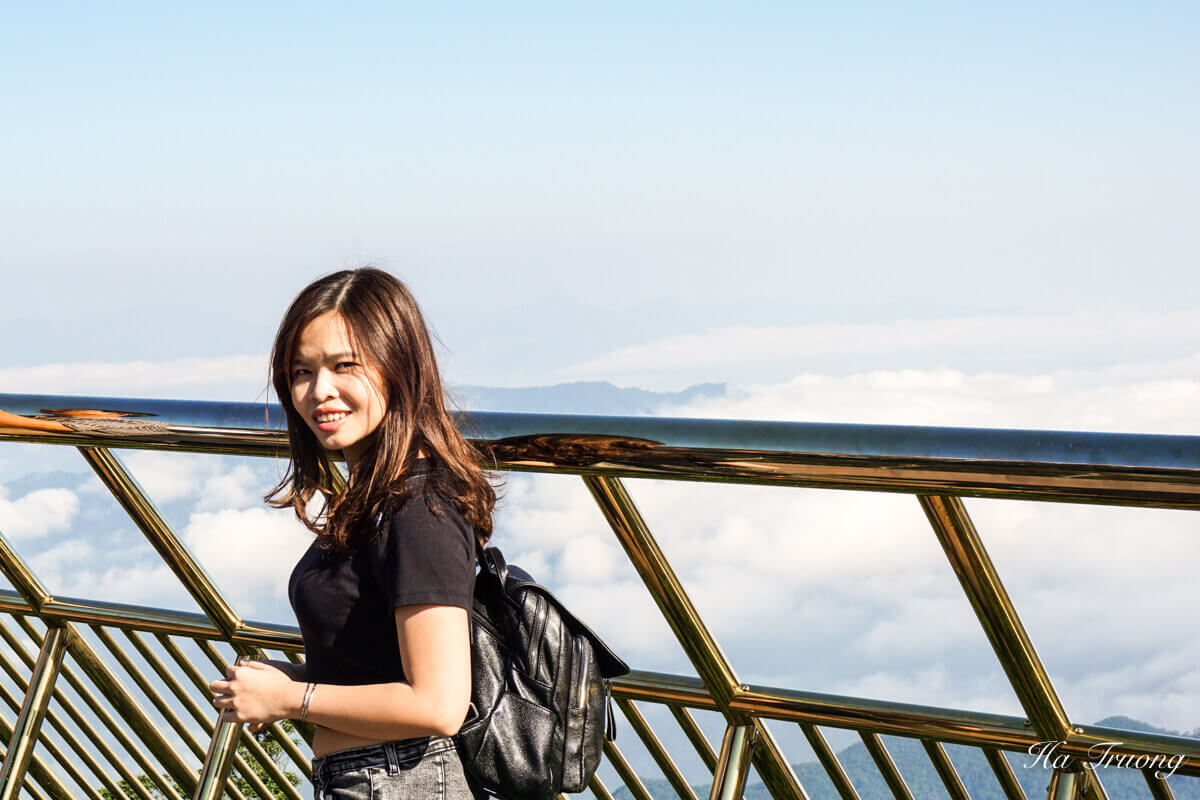
The rest of Ba Na Hills is a French-colonial-themed hill station with a cable car, gardens, and a small amusement park. Plan on a half day if you want to see more than just the bridge.
Ba Na Hills makes an easy day trip from Da Nang, so you don’t need to add another hotel stay just for this stop.
Ride a motorbike from North to South
I did a stretch of the North to South motorbike route a few years back, and it’s still one of my favorite ways to see this country.
You pass through big cities and tiny towns that barely make it onto a map, sometimes both in the same day.
The roads through the mountain passes are the part I remember most: wind in my hair, the smell of woodsmoke from villages along the way, and street food stalls I never would have found on a bus.
Go at your own pace and don’t try to rush it. Some of my best memories came from stopping somewhere I hadn’t planned to.
Tips: Don’t forget to buy travel insurance before you go. And if you’d rather rent through a proper agency than off the street, compare rental options here.
Cruise Ha Long Bay
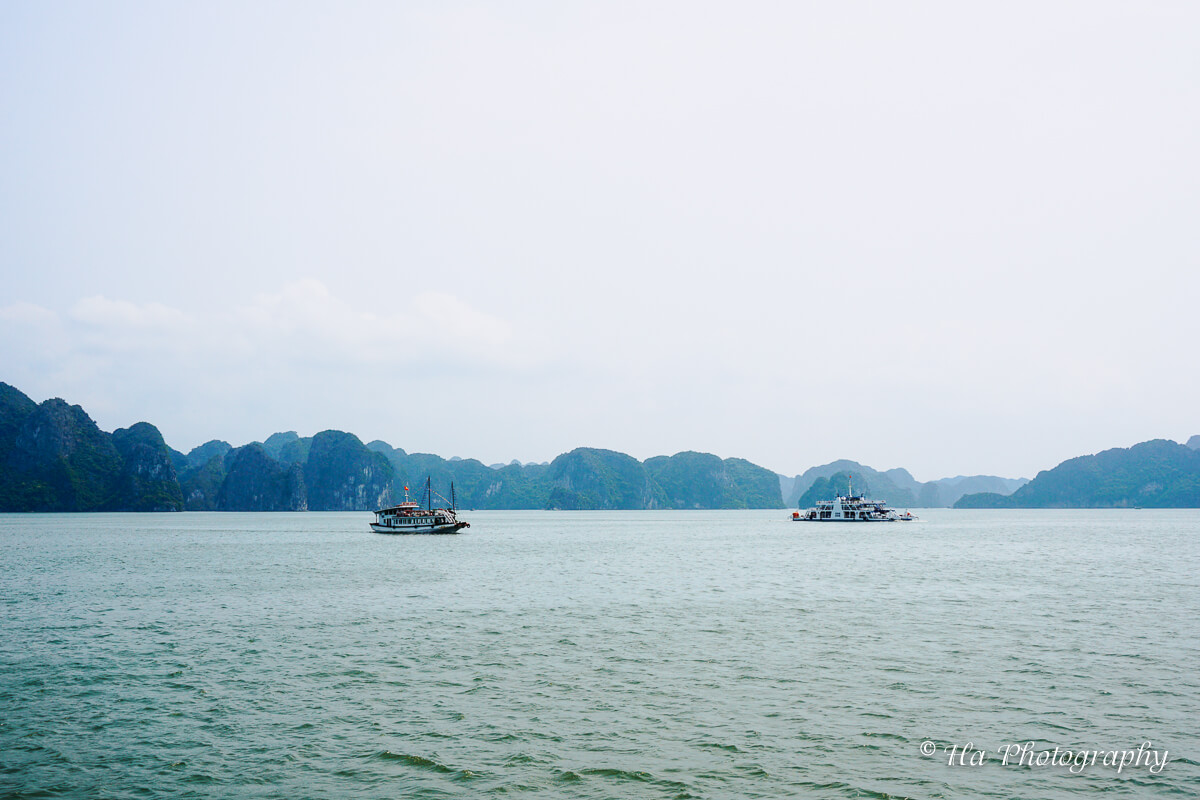
Ha Long Bay is one of the few places where the photos don’t oversell it. Thousands of limestone karsts rise straight out of the water, and I still remember the first time I saw them from the boat deck at sunrise.
A Ha Long Bay cruise weaves between the karsts, and most itineraries stop at a cave or grotto along the way.
Choose an overnight cruise over a day trip if your schedule allows it. Watching the light shift over the karsts at sunset, then again the next morning, made the extra night worth it for me.
Do the Ha Giang Loop
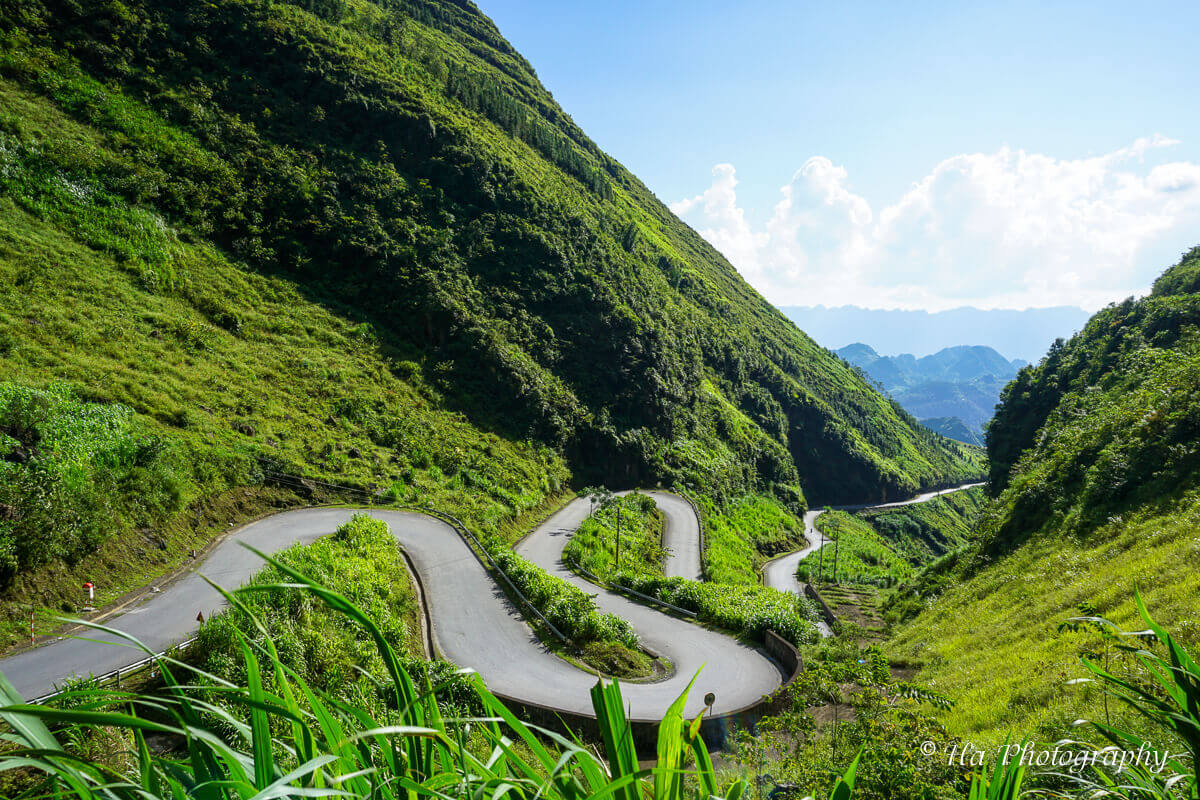
The Ha Giang Loop is probably the best travel experience on this list.
It’s a 300-kilometer route through Vietnam’s far north, and it’s some of the most dramatic scenery I’ve seen anywhere in the country.
I rode through ethnic minority villages, along the Nho Que River canyon, and up to Lung Cu Flag Tower near the Chinese border. Give it at least three days if you can; four is even better.
You don’t have to drive yourself. If you’d rather ride pillion with a local driver and just take in the views, compare guided Ha Giang Loop tours here.
And if you’re driving yourself, compare rental bikes and cars here, and book a couple of days ahead in peak season since the good ones sell out fast.
Hike Cat Ba National Park
I almost skipped Cat Ba National Park on my first trip to Ha Long Bay, since I figured I already saw the karsts from the water. That was a mistake.
The trails here range from an easy hour-long loop to a proper five-hour trek up Ngu Lam Peak. I hiked to the summit myself, and the view over the bay from up there beats almost every angle you get from a boat.
Wear proper shoes. The limestone gets slippery after rain, and I learned that the hard way on my first attempt.
If you’d rather join a guided group than figure out the trails yourself, check Cat Ba day tour availability here.

Visit Bac Ha Sunday ethnic market
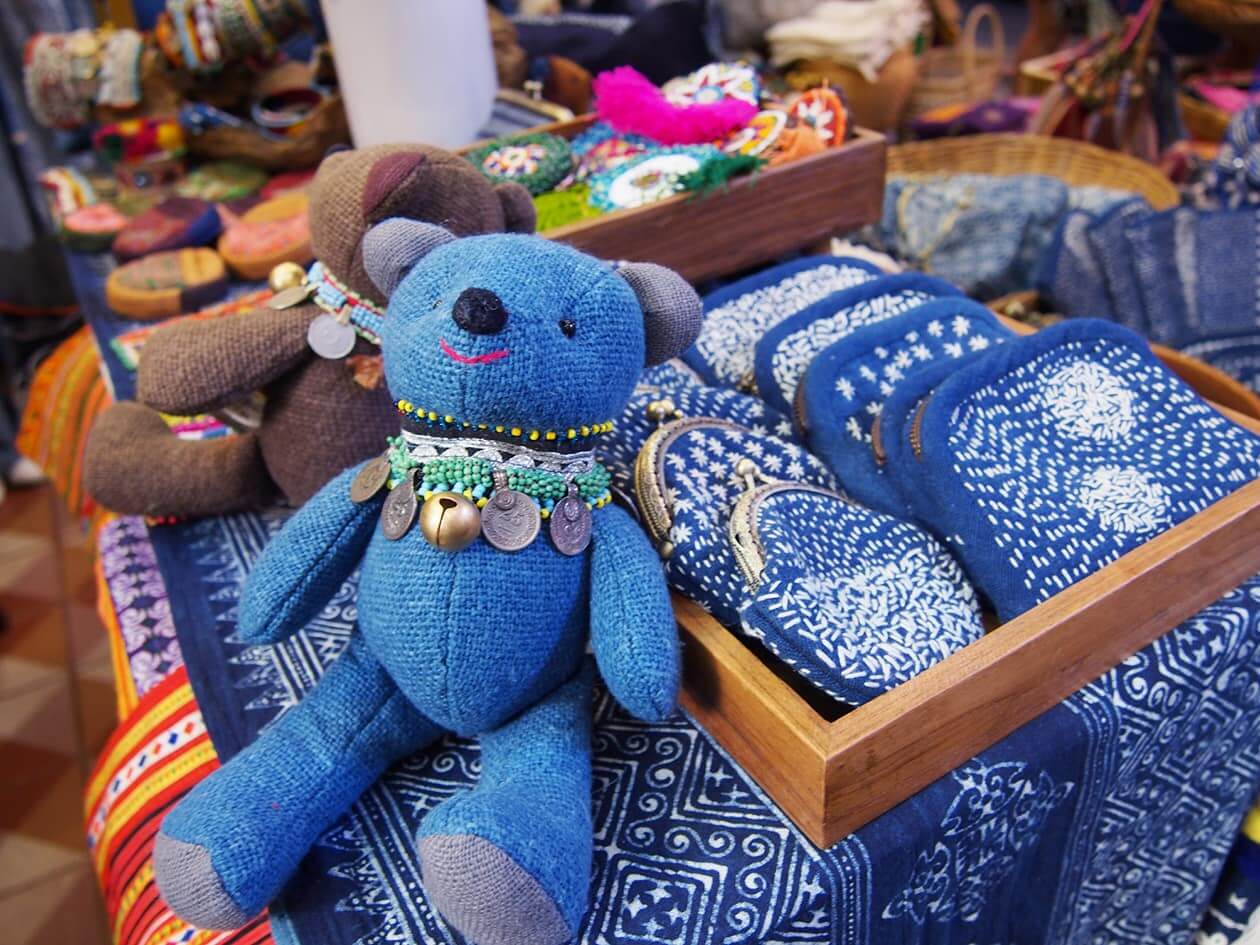
Bac Ha Sunday Ethnic Market only runs one day a week, and I planned my whole Sapa trip around catching it. It’s a hub for ethnic minority groups to trade goods, clothing, and livestock, and I’ve never seen so much color in one place.
Stalls stretch out in every direction, piled with fabrics, handicrafts, and local food I couldn’t always identify but tried anyway. Bring your camera, and bring cash since most vendors don’t take cards.
It sits close enough to Sapa that a lot of people add it on as a day trip from a base like Cat Cat Village.
Be amazed at the Mu Cang Chai rice terraces
Mu Cang Chai has some of the most dramatic terraced rice fields I’ve come across in Vietnam, carved into the hillsides over generations.
I visited in late September once, right as the rice turned gold before harvest, and it completely changed how the valley looked compared to my earlier trip in the green season.
The villages scattered through the terraces are worth slowing down for too, not just the viewpoints everyone photographs. I stopped in a few and ended up staying longer than I planned.

Explore the caves in Phong Nha National Park
Phong Nha National Park has over 300 caves and grottoes, and I still haven’t come close to seeing them all across my visits.
The good news is you don’t need to pick just one. Tours here range from an easy walk to a full day of trekking and swimming, so it’s easy to combine a couple of caves in one trip.
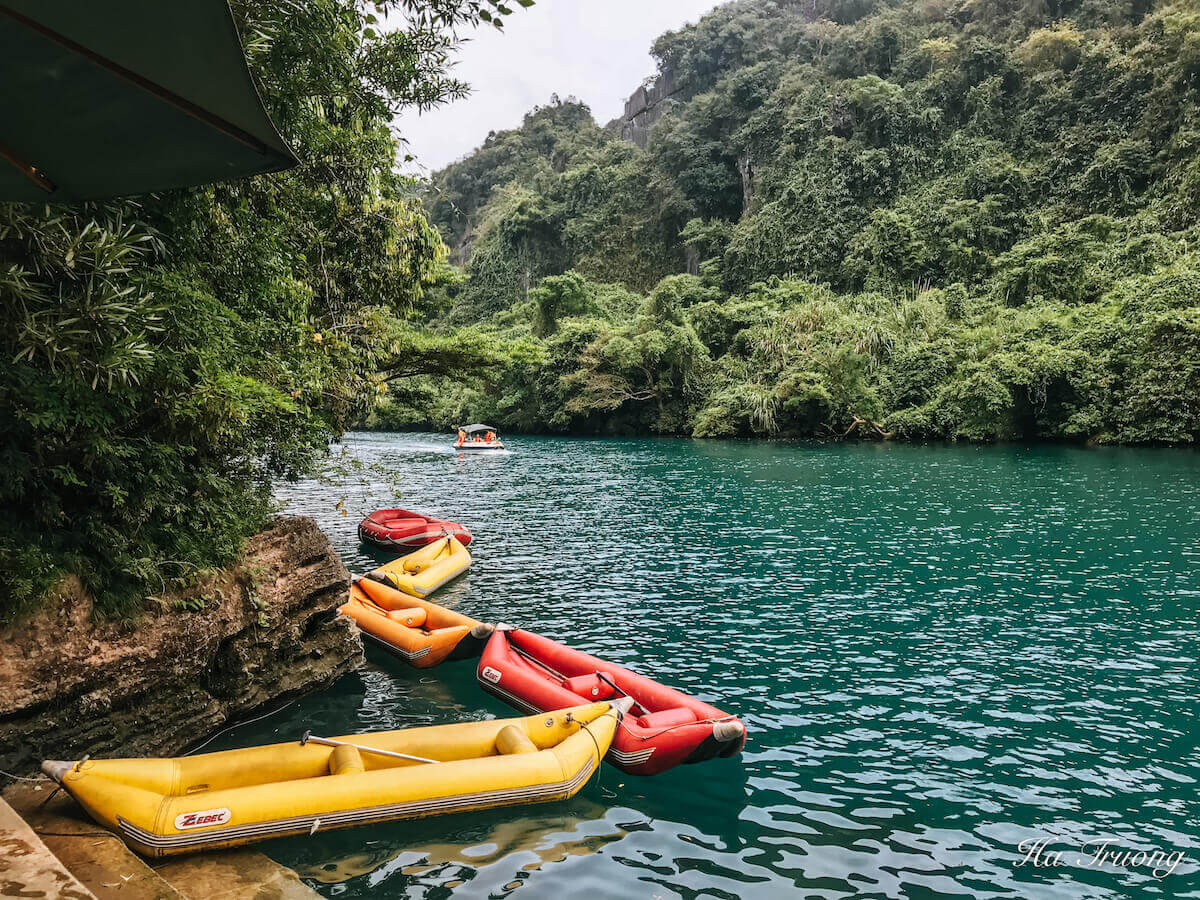
Dark cave
Equipped with a headlamp, you’ll trek through a muddy path and wade through cool waters to reach Dark Cave‘s inner sanctum.
This is the messiest cave on the list, and I mean that as a compliment. My tour ended with a mud bath and a zipline back over the river, so wear clothes you don’t mind ruining.
Paradise cave
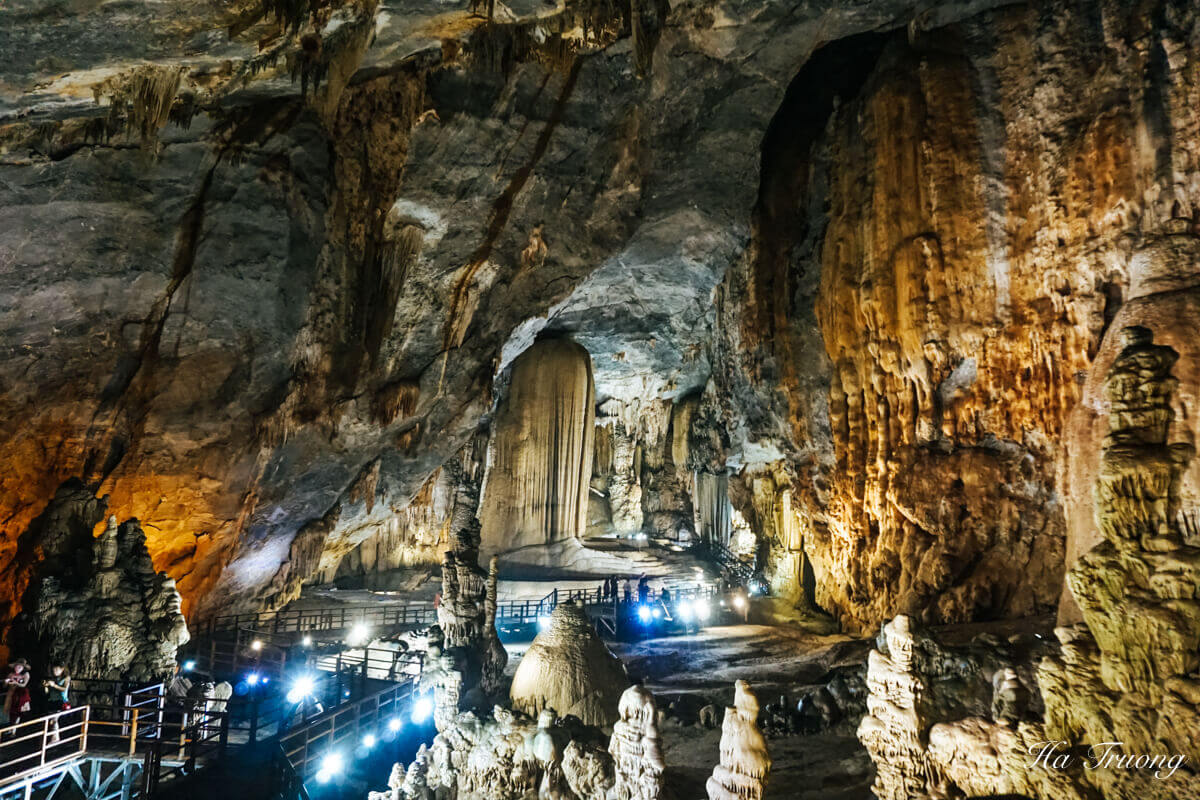
Paradise Cave is the opposite experience. Dry, well-lit walkways lead through a cave so big it didn’t feel real to me the first time I walked in.
It’s the easiest of the four to visit since there’s a boardwalk the whole way, so it’s a good pick if you’re traveling with kids or don’t want to get wet.
Phong Nha cave
Phong Nha Cave is the one you see by boat instead of on foot. I still remember gliding along the underground river in near silence, just the sound of the paddle.
It’s steeped in history too. You’ll pass Cham and Nguyen Dynasty artifacts left behind inside the cave, a reminder that people have been coming through here for centuries.

Son Doong cave
Son Doong is the largest known cave in the world. A local farmer discovered it in 1991, and it wasn’t opened to tourists until 2013.
It’s also the hardest to get into. Expeditions run for several days, cost several thousand dollars, and book out up to a year ahead, so this one takes real planning if it’s on your list.
Most people base themselves in Phong Nha town for a night or two to fit the other caves in without rushing. It’s worth comparing a few options and checking hotel availability here before you go.
Go trekking in Sapa
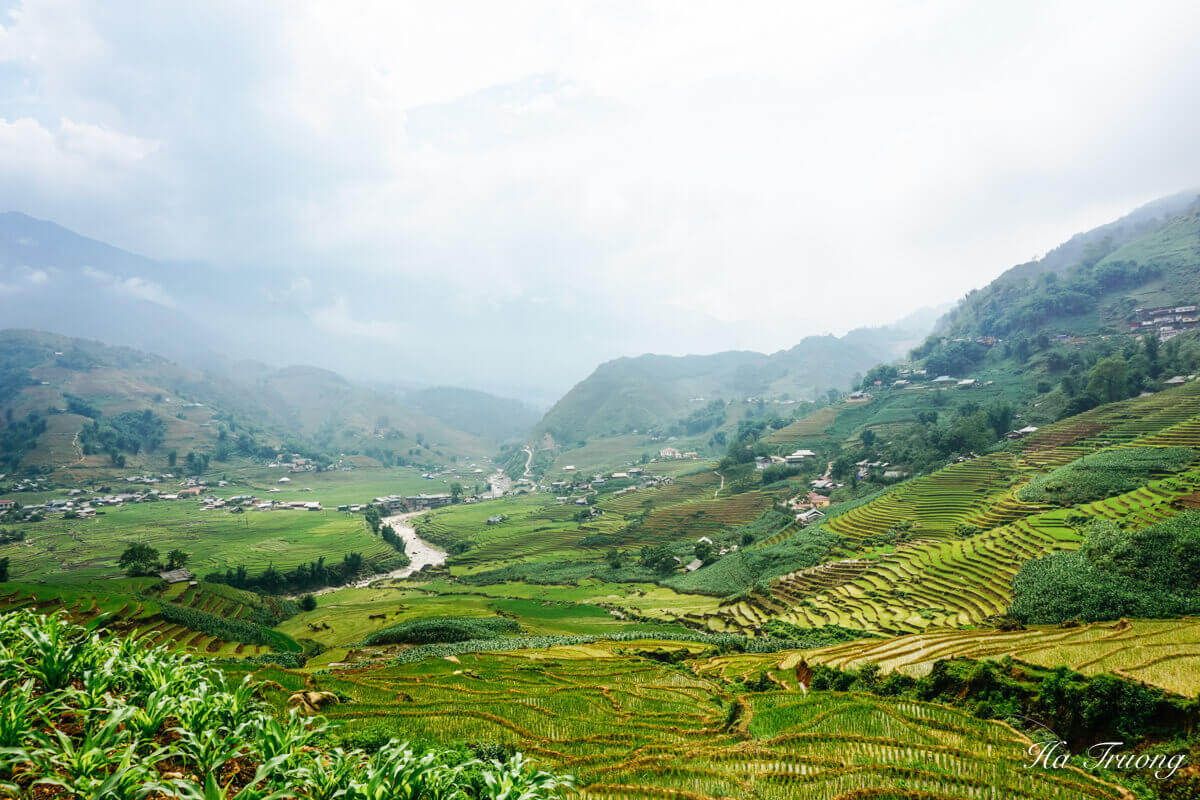
Trekking in Sapa was one of the first things that made me fall for northern Vietnam. The rice terraces climb the hillsides in tiers, and the trails wind straight through them and into villages that still feel lived-in rather than built for tourists.
Most treks are led by local H’mong or Dao guides. I recommend booking with someone who actually lives in the area rather than a Hanoi-based tour company. I got better stories and a stronger sense of the place that way.
Expect to spend about 3 days in Sapa if you want more than a rushed overnight.
Most people book a trek through a homestay or local guide once they arrive. But if you want it sorted before you land, compare Sapa trekking tours here.
Where to stay in Sapa:
Topas Ecolodge is great for a more memorable stay. It’s set high above the valley, well away from the busy center, so you get big mountain views and a much calmer, more secluded atmosphere.
Sapa CatCat Hills Resort is a good middle ground if you want mountain views without paying luxury prices. And Hotel Sapa Square is a great budget pick, with an infinity pool and an easy walk to Cat Cat Village.
Take a boat ride in Ninh Binh
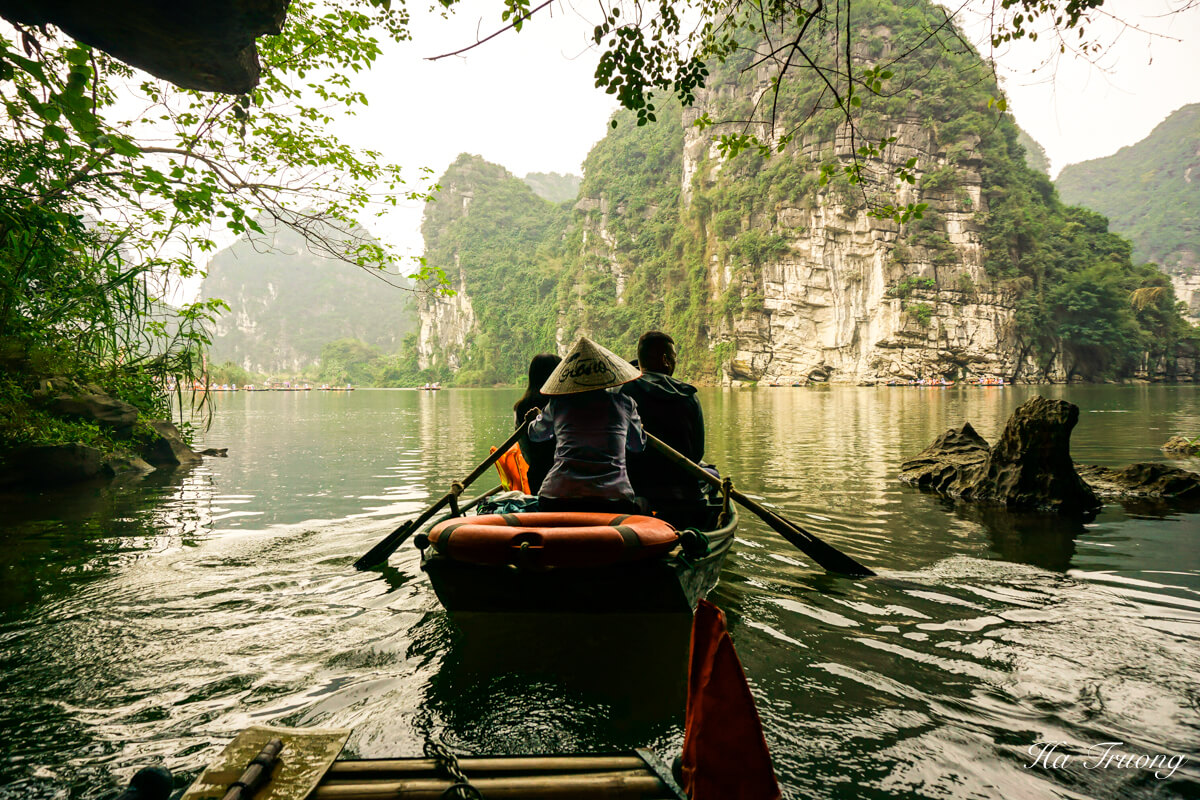
Ninh Binh gets called Ha Long Bay on land, and for once the comparison holds up for me. Instead of karsts rising out of the sea, they rise out of rice paddies and rivers, and you see it from a small rowboat.
The rowers here are almost always local women, and they row with their feet. I watched mine do it the whole ride and still don’t know how she made it look so easy.
You can try a boat ride at either Trang An or Tam Coc. I’ve done both, and they’re different enough to justify doing them separately if you have the time.
Trang An
Trang An is the bigger and more dramatic of the two. The boat route weaves through a series of caves cut straight through the limestone, and I remember ducking my head more than once.
Tam Coc
Tam Coc is more compact than Trang An, which makes it an easy add-on if you’re short on time. I went in May, and the rice was bright green and almost ready to harvest, which made the whole ride feel like gliding through a painting.

You can turn up and buy a boat ticket at either pier.
Where to stay in Ninh Binh:
Accommodation here ranges from family-run homestays set between the rice paddies to riverside resorts with proper spas. Emeralda Resort Ninh Binh is a luxury pick. It sits right on the river near Tam Coc with heated pools that feel great after a day on the boat.
I also like Ninh Binh Hidden Charm Hotel & Resort, close enough to walk to both Trang An and Tam Coc with a wellness center that’s perfect for winding down.
And if you’re watching your budget, the homestays scattered between Tam Coc and Trang An are hard to beat, most throw in home-cooked meals and free bikes.
See the water puppet show in Hanoi
The water puppet show in Hanoi turned into one of my favorite evenings in the city, and it’s easy to fit into a busy first few days.
Puppeteers stand waist-deep in water behind a screen, controlling the puppets with long bamboo rods you can’t see. The figures seem to glide and fight and fish across the water as if they’re moving on their own.
A live band plays traditional instruments the whole time, and the show runs under an hour, so it’s easy to fit in after dinner.
Visit Hue Imperial City
Hue Imperial City is where I finally understood how grand Vietnam’s royal history was. Walking through the gates felt like stepping back to the 19th century and into the world of the Nguyen dynasty.
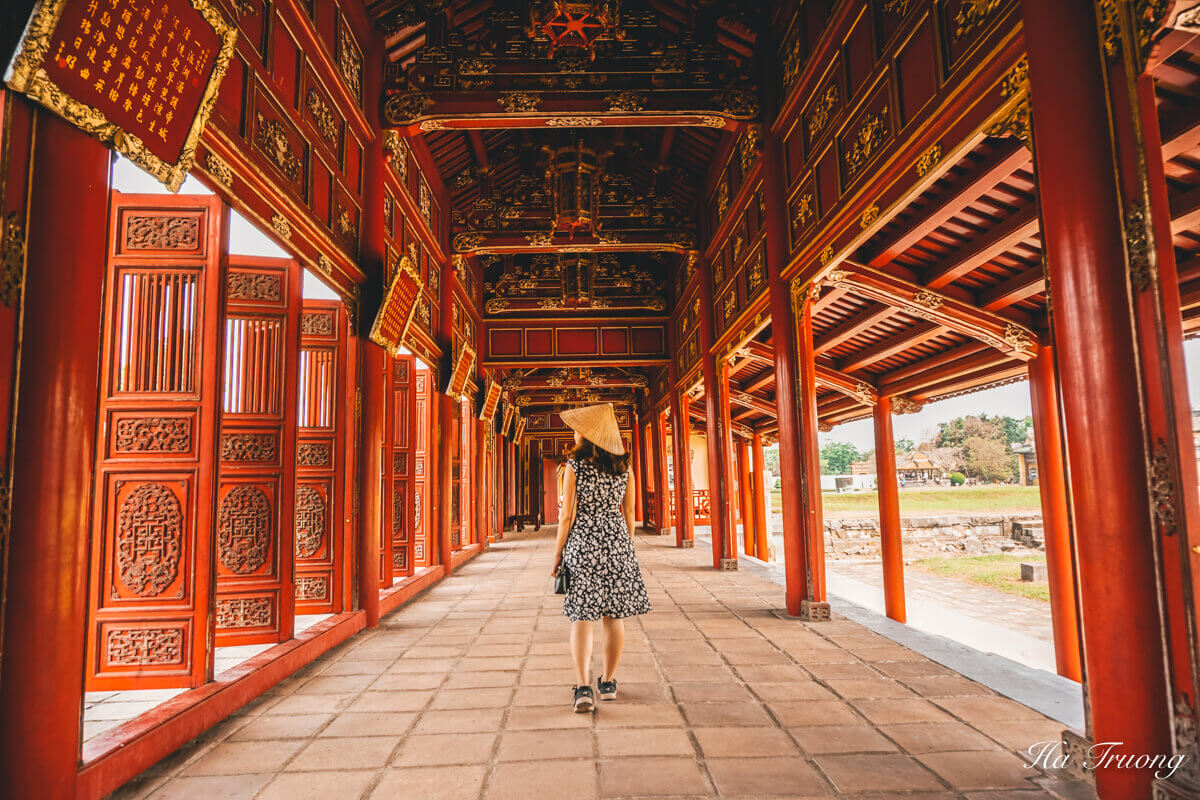
I love the ornate architecture and the gardens that surround the complex. I spent a full morning wandering the grounds and still felt like I only scratched the surface.
Hire a Vietnamese guide if you can. Mine pointed out details in the carvings I would have walked straight past on my own.
You can buy tickets at the gate, but booking your Hue Royal Palace here saves you the queue in peak season.
Where to stay in Hue:
Hue’s hotels cluster along the Perfume River, so location rarely feels like a compromise here.
I loved our stay at Melia Vinpearl Hue, especially with the rooftop pool and sky bar looking straight out over the river and the Citadel.
TTC Imperial Hotel is a great mid-range option, right on the river and an easy walk to the Citadel gates.
And if you’re keeping costs down, the guesthouses along the south bank of the river put you just as close to everything without the price tag.
Learn about the Vietnam War
However you feel going in, spending a few hours learning about the Vietnam War changed how I saw the rest of the country. Vietnam’s history didn’t stop in 1975, but it’s hard to understand the present without some sense of what came before it.
DMZ tour in Hue
A DMZ tour from Hue takes you to the sites that defined the war’s front line, the Vinh Moc tunnels, Hien Luong Bridge, and Khe Sanh Combat Base among them.
Vinh Moc is the one that stuck with me most. An entire village lived underground there for years to survive the bombing, and I walked through the tunnels they built with my own two feet.
War Remnants Museum in Ho Chi Minh City
The War Remnants Museum in Ho Chi Minh City is heavier than the DMZ tour. Give yourself at least two hours and some quiet time afterward.
The exhibits cover the My Lai Massacre and the long-term effects of Agent Orange in unflinching detail. It wasn’t an easy visit for me, but it was an honest one, and that’s exactly what made it worth doing.
Conquer Hai Van Pass
Hai Van Pass connects Hue and Da Nang, and it’s the drive I recommend to anyone who wants one big scenic road trip without committing to the full Ha Giang Loop.
I rented a motorbike and rode it myself, and the road climbed through cloud cover for most of the way up. That’s where the pass gets its name.
Coming down the other side, the coastline opened up in front of me, and I stopped at the old French bunker near the summit for a sugarcane juice before heading down.
Explore Hoi An ancient town
Hoi An ancient town is a UNESCO World Heritage Site, and it’s one of the few places in Vietnam where I slow down without even trying.
Wandering the narrow alleys and pastel-colored buildings, I felt like I stepped back in time, especially at dusk when the lanterns start to glow.

I always make time for the iconic Japanese Covered Bridge, the centuries-old Assembly Hall of the Fujian Chinese Congregation, and the lively Central Market.
Try the Cao Lau or Banh Mi while you’re there. And save some time to browse the shops selling handmade silk lanterns, ceramics, and textiles.
Where to stay in Hoi An:
Hoi An’s accommodation runs from tiny old town guesthouses to sprawling beach resorts a short ride away. For a luxury riverside stay, head to Anantara Hoi An Resort.
I also like Boutique Hoi An Resort Vietnam, a beautiful resort with a lovely pool, direct access to An Bang Beach and plenty of space to slow down after a day of exploring.
And on a budget, there are several hostels in Hoi An to choose from. Most run from around $50 a night and still put you within walking distance of the lanterns.
Get on the circular basket boats in Hoi An
These circular basket boats started as fishing boats in the Cam Thanh coconut palm forest just outside Hoi An. Now the local fishermen take visitors out on them for a spin, sometimes literally.
It’s touristy, everyone does it, and it’s a lot of fun.
Between spins, you’ll glide quietly through the palms and get a decent chance to try fishing with a traditional net.
Marvel at the Champa ruins in My Son Sanctuary
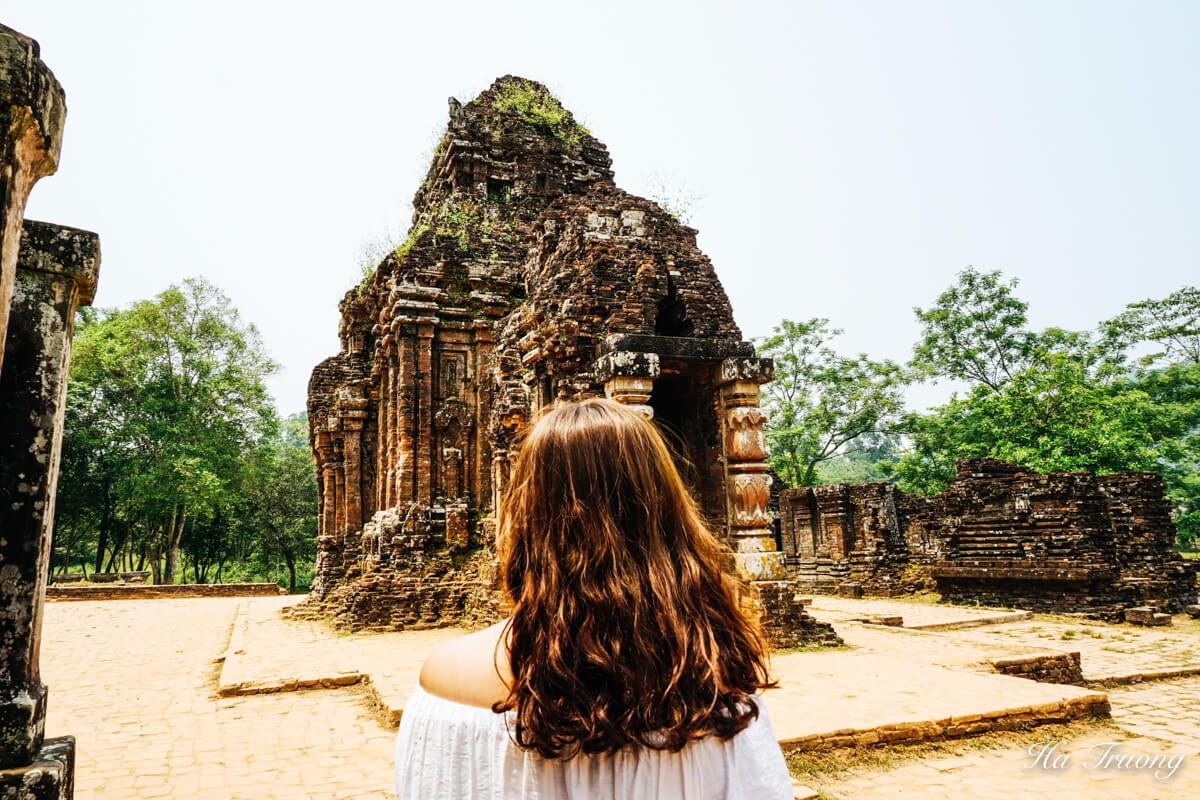
The Champa ruins at My Son Sanctuary are from roughly the same era as Angkor Wat. I was surprised how well the brick temples have held up considering the jungle and wartime bombing they’ve survived.
A lot of the carving is still sharp enough to make out clearly, even after centuries. I ran my hand along one of the temple walls and could still feel the detail in the stone.
Go early. The site opens at 6am, and I got there before the tour buses, which meant I had parts of the ruins to myself.
Most people visit as a half-day trip from Hoi An or Da Nang, and a guided My Son Sanctuary tour is the easiest way to do it since it includes transport and a guide who can actually explain what you’re looking at.
Try snorkeling on Cham Island
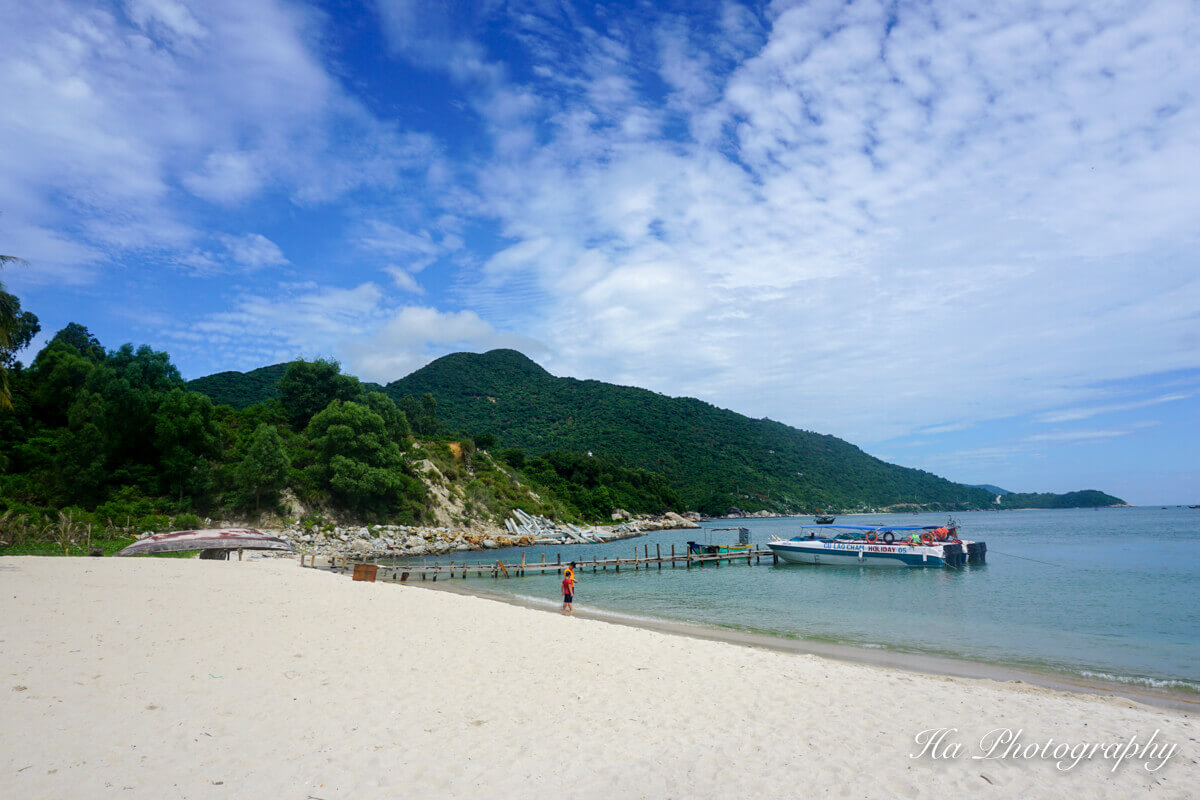
Cham Island sits about a 30-minute boat ride from Hoi An, and the coral here is in noticeably better shape than most spots along the central coast.
I saw plenty of reef fish and a couple of sea turtles on my last trip out, and my guide told me manta rays turn up in deeper water sometimes.
Most day trips combine a couple of snorkel stops with lunch on the island. My lunch was fresh seafood pulled straight from the boats that morning, and it was one of the best meals of my whole trip.
Join a food tour
One of the best ways to experience Vietnamese food is by joining a food tour, and I’ve done this in three different cities now.
There are so many dishes and flavors to try that it’s hard to know where to start on your own. A local guide takes the guesswork out of it and points you toward the stalls locals actually eat at.
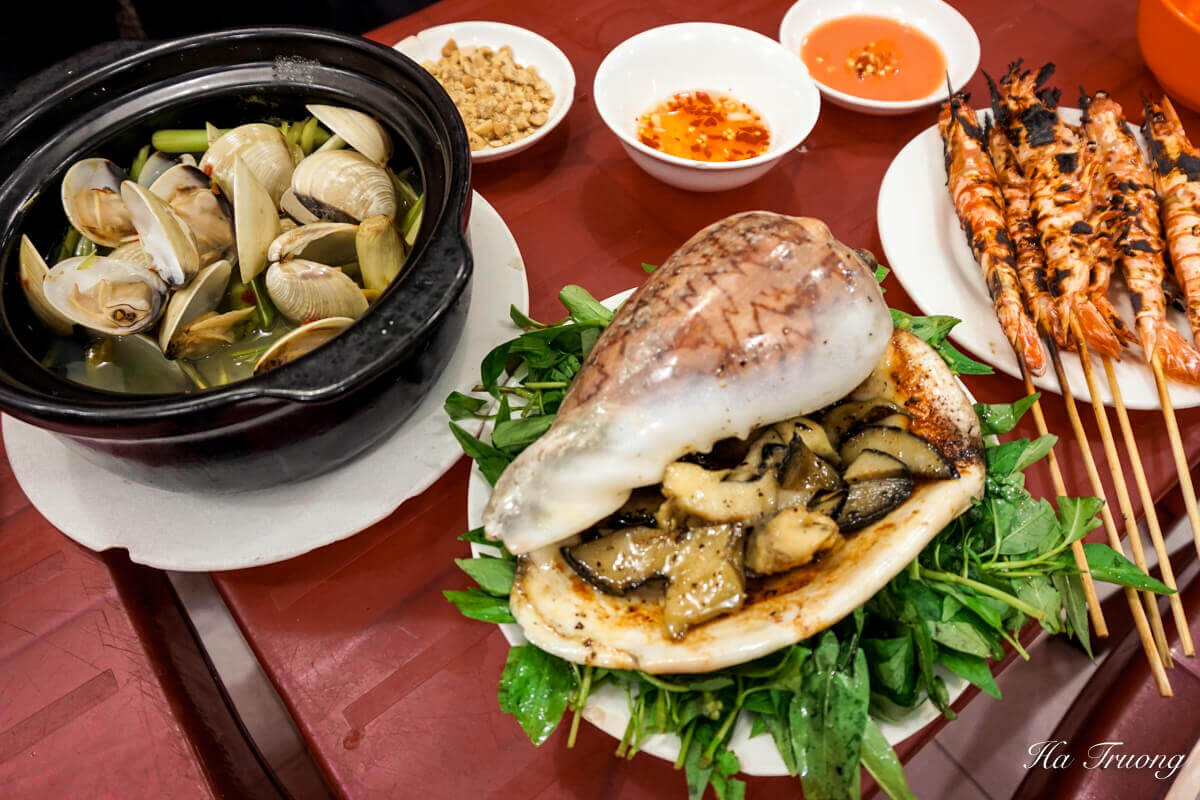
On my Hanoi food tour, I tried everything from steaming hot bowls of Pho to crispy banh mi sandwiches at stalls I never would have found by myself.
Along the way, I met a few friendly locals and got a real feel for the vibrant atmosphere of Vietnam’s food scene.
Cycle through rice paddy fields
Cycling is one of my favorite things to do in Vietnam. I love feeling the breeze on my face as I pedal along quiet roads, surrounded by green fields and small villages.
I’ve cycled past quaint villages and ancient pagodas, and I’ve watched the sun set over rice fields more times than I can count. It never gets old.
Some of my favorite areas to cycle are Mai Chau, Hoi An, and the Mekong Delta area.

Sandboard the dunes in Mui Ne
The Mui Ne sand dunes feel completely out of place in Vietnam, more like a small stretch of Sahara than a beach town.
Go at sunrise or sunset if you can. The sand gets scorching hot by midday, and the light is far better in the early morning or late afternoon anyway.
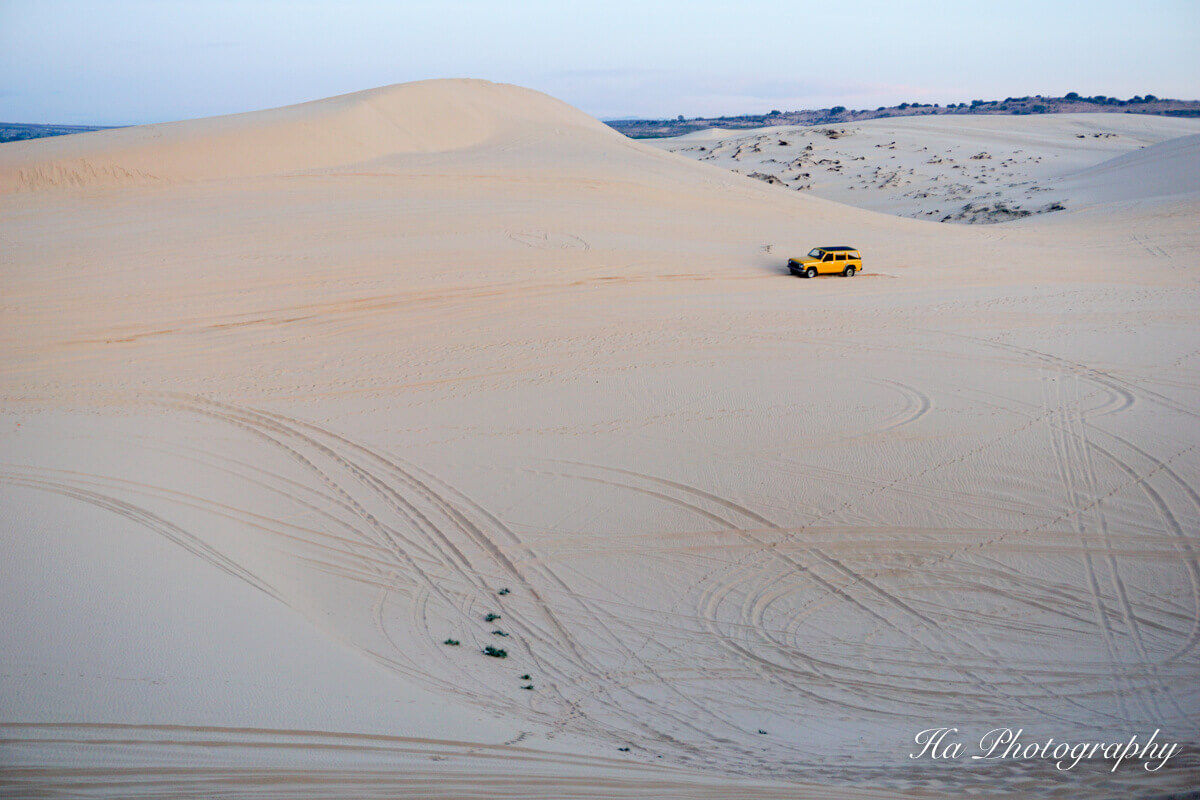
Besides the dunes, Mui Ne also has a good stretch of coastline and a small but photogenic Fairy Stream you can walk barefoot.

Enjoy a mud bath in Nha Trang
A mud bath in Nha Trang sounded a bit odd to me before I tried it, and now I understand why it’s such a popular half-day out.
The mud is mineral-rich and does wonders for your skin, and you can even share it with your partners.

Where to stay in Nha Trang:
Most of Nha Trang’s good hotels sit along Tran Phu Street, so you’re rarely far from the beach. InterContinental Nha Trang is beautiful, with sea-view rooms and front beach.
I also like Vinpearl Beachfront Nha Trang for mid-range, it comes with private beach access and free sunbeds close to the night market.
Crawl through the Cu Chi Tunnels
Viet Cong soldiers dug and lived in these tunnels during the Vietnam War, and crawling through a stretch of them was one of the more physical history lessons I’ve ever had.
The Cu Chi tunnels have been widened slightly for tourists, and I still found the section I did tight enough to give me real appreciation for the people who lived down there for years.
Wear something you don’t mind getting dirty. And skip it if you’re claustrophobic; it’s narrower than it looks in photos.
Explore mighty waterfalls in Da Lat
Dalat sits up in the Central Highlands, cooler and greener than most of Vietnam, and its waterfalls are one of the best reasons to get out of the city center for an afternoon.
Datanla is the easiest to reach, and it has a small rollercoaster-style toboggan that takes you down to the falls. I rode it twice just because it was that fun.
If you want something quieter, ask a local driver about the smaller, less-visited falls further out of town. Mine took me to one where we didn’t see another visitor the whole time.

Where to stay in Dalat:
Dalat’s accommodation ranges from grand old French-era hotels to quiet lakeside resorts outside the city center.
Dalat Palace Heritage Hotel has that old-world chateau feel, and it’s central too.
For something quieter, I like Dalat Edensee Lake Resort & Spa, set near Tuyen Lam Lake well away from the city bustle. And Thuy Hoang Nguyen Hotel Resort & Spa is a comfortable, well-reviewed choice if you’re keeping an eye on your budget.
Try canyoning in Dalat
If you’re looking for a bit of adventure in Vietnam, add canyoning in Dalat to your list.
You’ll make your way through forest and rocky canyons, abseil down waterfalls, swim in natural pools and, depending on the tour, tackle a few jumps and natural rock slides along the way.
It’s wet, physical and a lot of fun, but you don’t need previous canyoning experience.
I recommend booking a guided canyoning tour, as you’ll get all the safety equipment, instruction and help you need before taking on the bigger descents.
Join a coffee roasting workshop in Da Lat
Vietnam is one of the world’s biggest coffee producers, and Da Lat’s cool climate makes it one of the better regions for growing Arabica specifically.
I went to Twin Beans Farm just outside the city and spent an afternoon learning the whole process from bean to cup.
A guide walked me through the farm and the roastery, and I got to roast a small batch of beans myself before brewing and tasting the coffee I just made. It’s a small, hands-on setup with a river running past the property, and I stuck around afterward to hike a bit of the trail toward the national park behind it.
Go between November and January if you can, that’s harvest season and you can pick some of the cherries yourself.
Book the coffee roasting and tasting workshop here, and arrange transport with the farm ahead of time since it’s a bit out of the way for rideshare apps.
Cross the sea in the Phu Quoc cable car
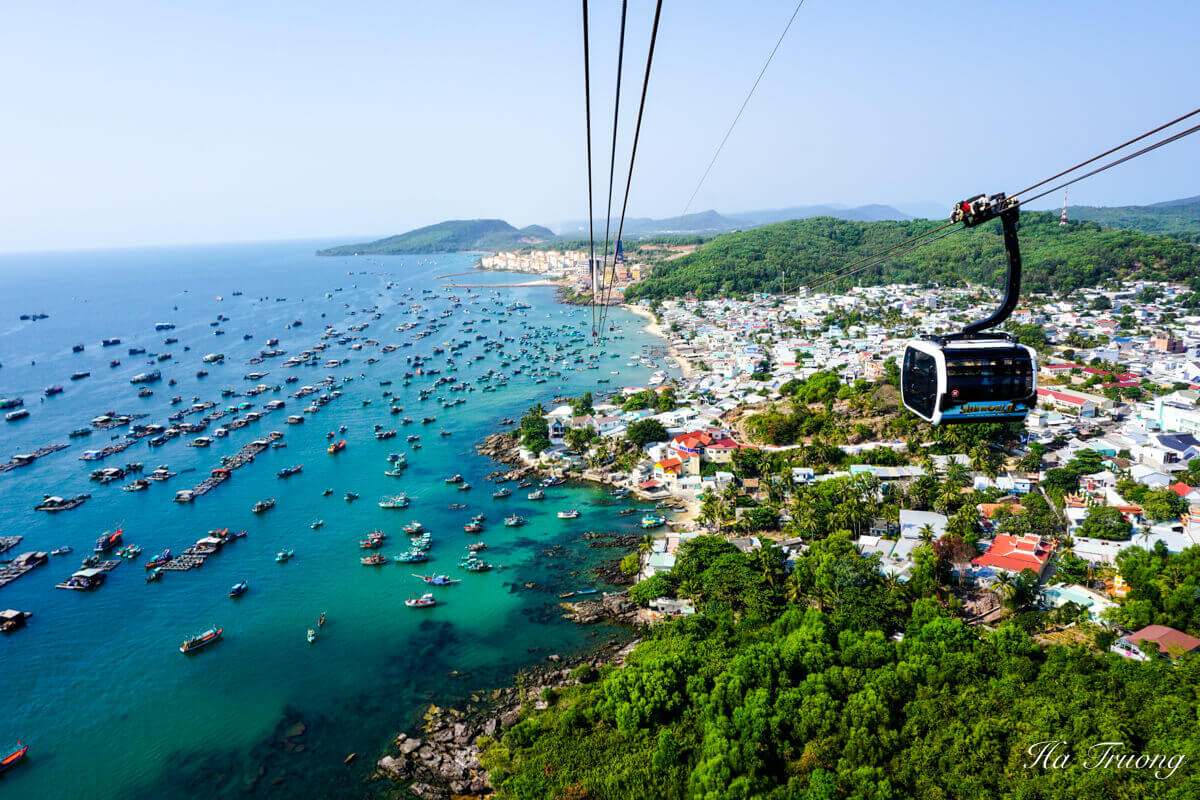
The Phu Quoc cable car crosses open sea to Hon Thom Island, and at 7.9 km it’s the longest three-wire cable car system in the world.
The ride takes about 25 minutes, and I spent most of it with my face pressed against the glass watching the boats shrink below us on Phu Quoc.
Where to stay in Phu Quoc:
Phu Quoc’s accommodation ranges from simple eco-cottages to some of Vietnam’s most striking beach resorts.
JW Marriott Phu Quoc Emerald Bay Resort & Spa is my favorite place to stay in Phu Quoc.
I also like Salinda Resort Phu Quoc Island, a polished boutique resort with its own stretch of beach. And Mango Bay Resort is a lovely pick too, simple eco cottages with genuine beach access and none of the resort fuss.
See the Cai Rang floating market in Can Tho
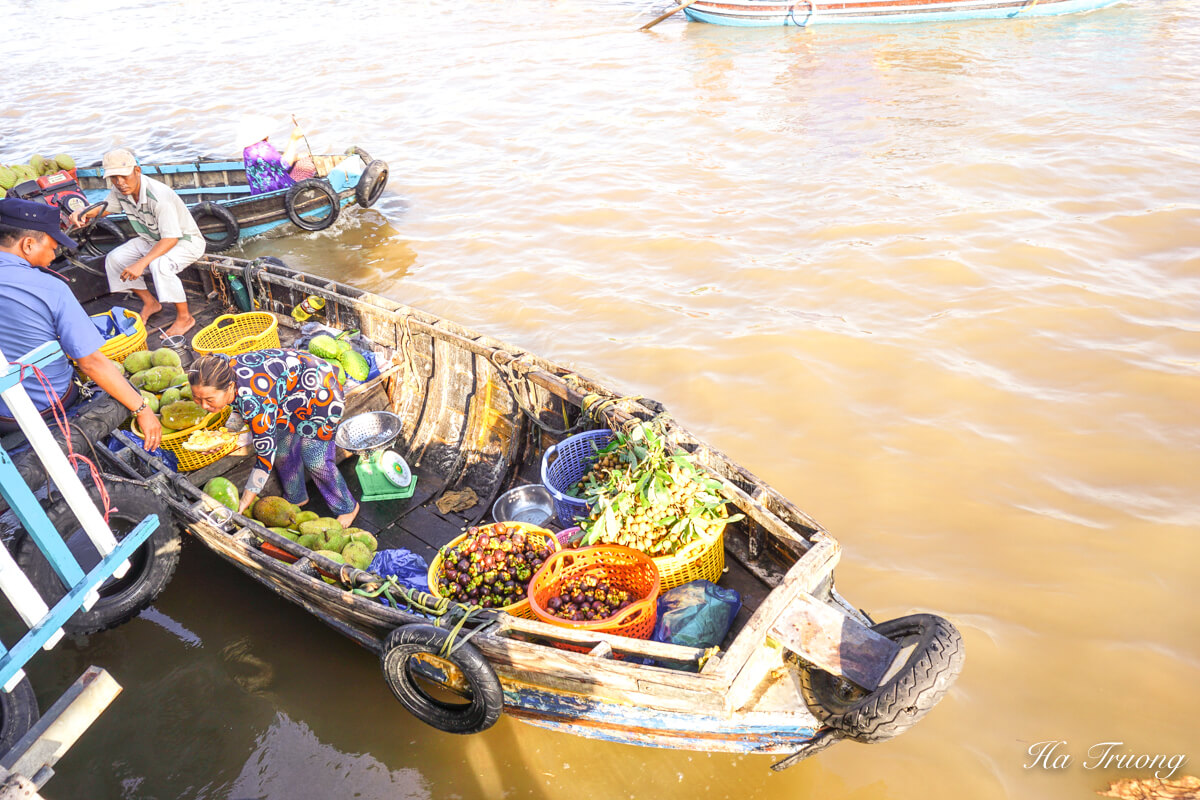
The Cai Rang floating market in Can Tho is one of the last big floating markets left in the Mekong Delta, and I woke up at 4am to catch it.
Boats hang a sample of whatever they’re selling from a tall pole, pineapples, watermelons, dragon fruit, so I could spot what was on board from a distance before paddling over.
I picked up a bowl of Bun Rieu from one of the floating food boats while I was there, and it’s still one of the best noodle soups I’ve had in Vietnam.
Go early. Most of the trading wraps up by mid-morning, and a Cai Rang floating market tour is the easiest way to make sure you’re there at the right time.
Relax on the pristine beaches
Vietnam has over 3,000 kilometers of coastline, so there’s a beach for pretty much every mood. Nha Trang is the lively one, full of beach clubs and watersports.
Phu Quoc is where I go to actually switch off. And Quy Nhon still feels like a fishing town that happens to have a gorgeous beach, rather than a resort strip.
If you’re not sure where to start, my full guide to the best beaches in Vietnam breaks down which ones suit which kind of trip.

Join the night safari at Cat Tien National Park
The Cat Tien National Park night safari is one of the more unusual things to do in Vietnam. You board a jeep with a guide and head into the jungle after dark, when the park’s wildlife starts to move.
Keep your eyes peeled for nocturnal animals like deer, civets, and wild boars. Spotting one of the park’s elusive big cats is rare, but it happens.
It’s a good add-on if you’re already planning to stop in Cat Tien on the way between Ho Chi Minh City and Dalat, rather than a stand-alone destination.
You’ll need to book through the park directly. Spots are limited, so it’s worth arranging a day or two ahead.
Take a cooking class
A cooking class taught me more about Vietnamese food in one morning than months of eating it ever did.
Mine started with a trip to a local market to pick ingredients, then moved into hands-on prep for phở, bánh mì, and fresh spring rolls.
Hanoi and Hoi An both run particularly good ones, and it doubles as a good rainy-day plan if the weather doesn’t cooperate.
Relax with a massage
I try to build at least one massage into every Vietnam trip. Prices are a fraction of what you’d pay at home, even at the nicer spas in Hanoi and Ho Chi Minh City.
Traditional Vietnamese massage tends to be firmer than what you might be used to, closer to Thai massage than a relaxing Swedish one. Ask for something gentler if that’s not your thing.
Hot stone treatments and foot massages are widely available too, and both make an easy way to build a rest day into a packed itinerary.
Sip cocktails on rooftop bars
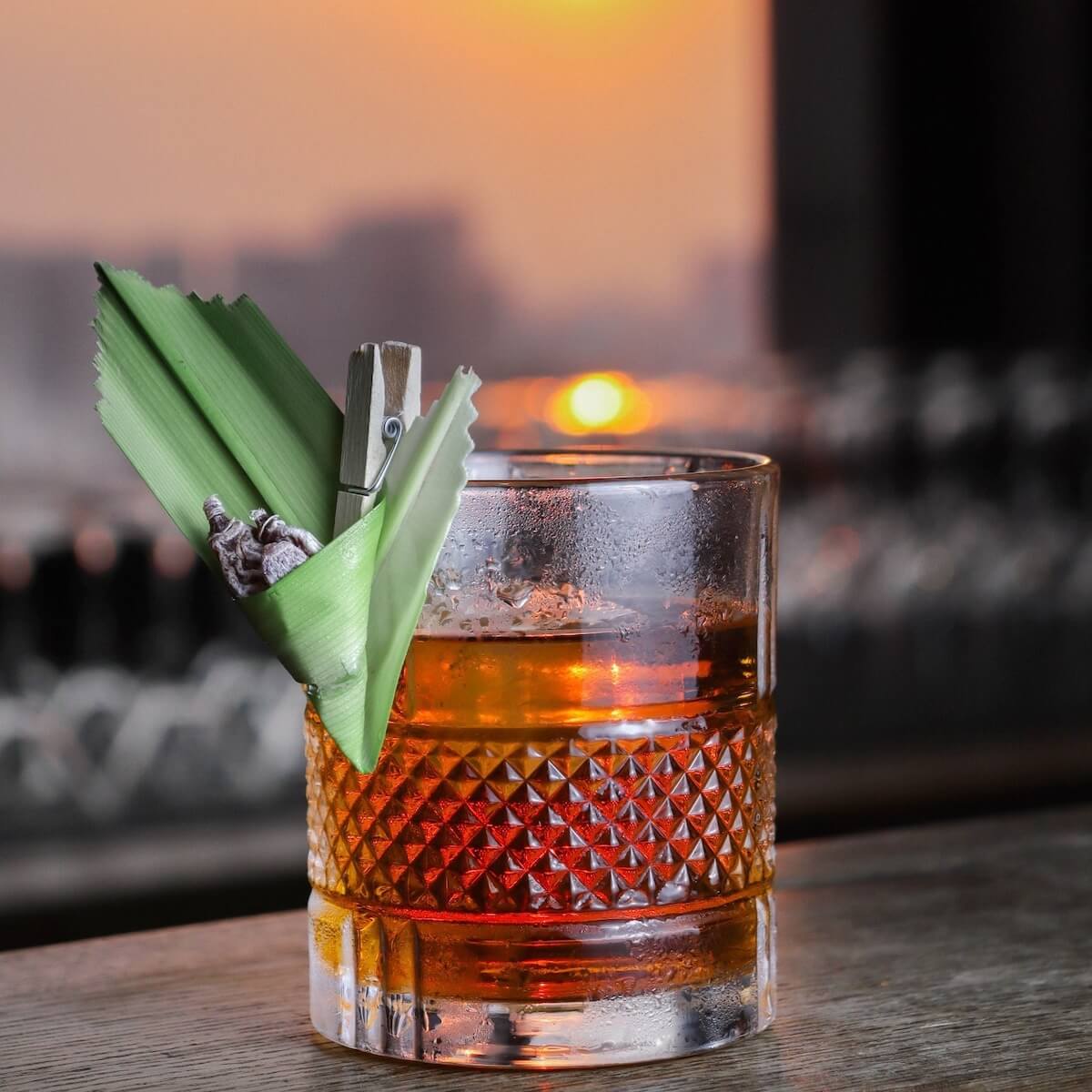
After a full day of temples and museums, a rooftop bar with a cocktail in hand is exactly the reset I want. Hanoi and Ho Chi Minh City both have a strong rooftop scene now.
I’ve bounced between polished cocktail lounges and laid-back beer gardens with a view, and I can’t pick a favorite type.
Check my Vietnam rooftop bars guides for specific picks:
Where to stay in Ho Chi Minh City:
Saigon’s hotels range from backpacker guesthouses on buzzing Bui Vien Street to towers with views over the whole city.
Vinpearl Landmark 81 is an iconic stay, with 81 floors up and the whole city laid out below you, though it’s a Grab ride from District 1.
I also love Caravelle Saigon, a District 1 landmark within walking distance of Ben Thanh Market with a real sense of history. And if you’re on a budget, the hostels around Bui Vien put you right in the middle of the backpacker action.
Visit the temples
The One Pillar Pagoda in Hanoi is tiny, smaller than I expected. But it’s worth a quick stop for how unusual it looks: a single wooden pillar rising out of a lotus pond.
The Temple of Literature is a better one to visit if you only have time for one. It’s one of my favorite quiet spots in the city, especially early in the morning before the tour groups arrive.
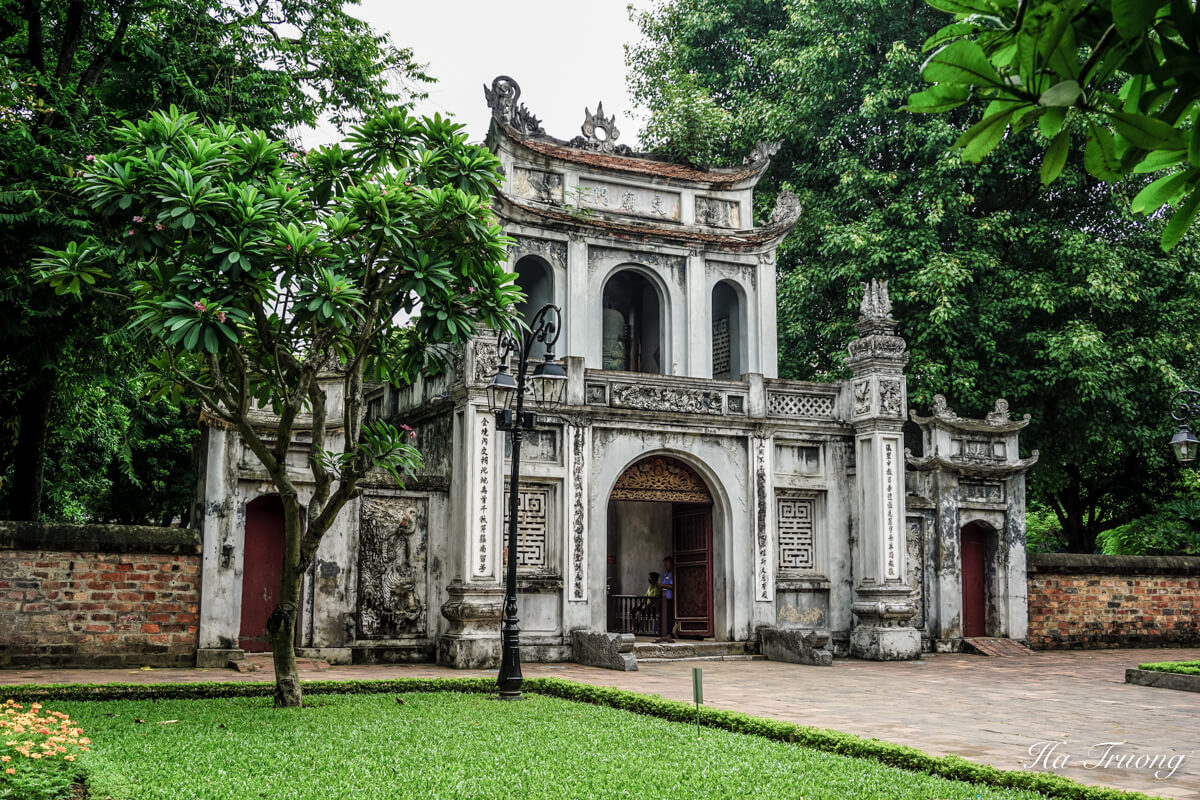
Down south, the Cao Dai Temple in Tay Ninh is unlike anything else I’ve seen in Vietnam. It’s home to a religion that blends Buddhism, Christianity, and Taoism into one belief system, and the building mixes Eastern and Western architecture just as freely.
Get on a train ride
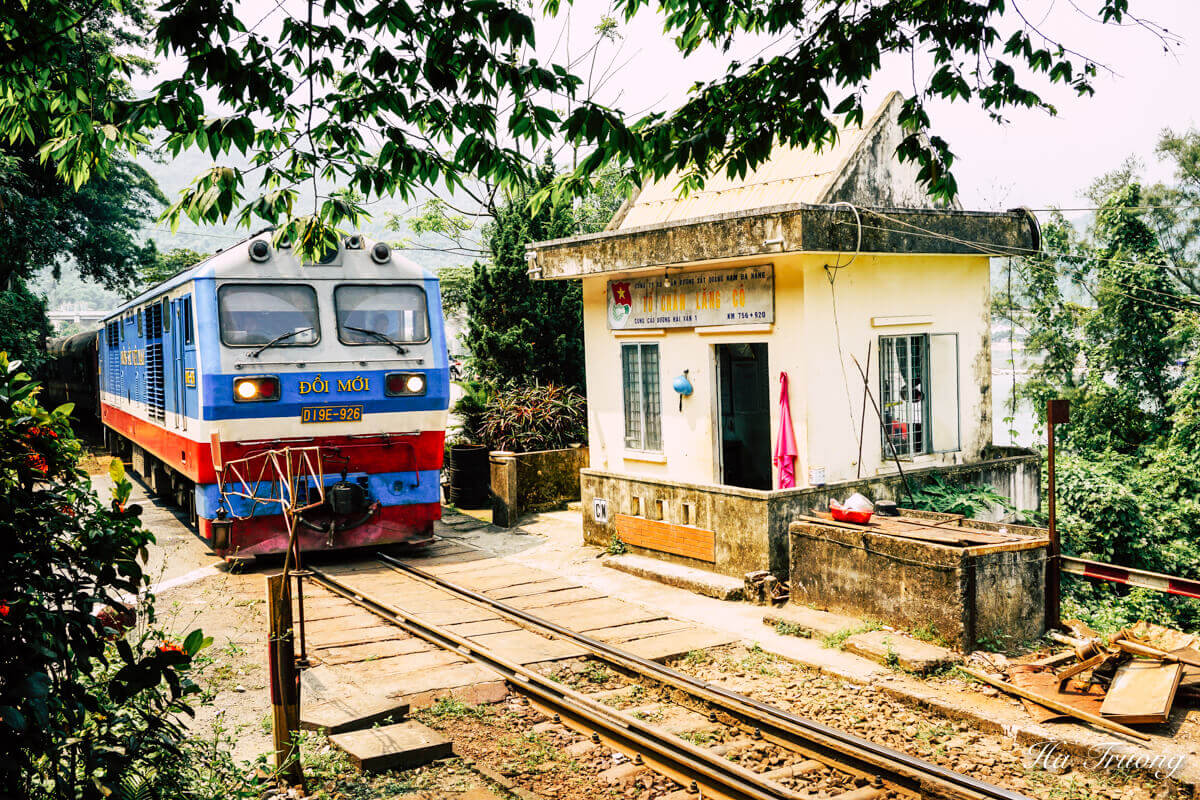
Don’t miss the Reunification Express train that runs from Hanoi to Ho Chi Minh City. I rode a stretch of it myself and spent most of the time glued to the window.
This iconic train ride passes through some of the country’s most striking landscapes, including green rice paddies, rolling hills, and winding rivers.
You’ll also get a chance to experience local life up close as you pass through small towns and villages along the way.
The full journey takes around 32 hours, so most people book a sleeper berth for at least one overnight leg rather than riding it end to end. It’s a great way to relax and watch the world go by, and it beats a long-haul bus if you’d rather not drive it yourself.
Ready to plan your Vietnam trip?
This list covers a lot of ground, and that’s kind of the point. Vietnam rewards people who slow down in a couple of places instead of rushing through all of it.
If you want a starting point, my two week Vietnam itinerary strings a lot of these stops together in a route that actually makes sense.
And if you’re still deciding how to get between cities, my guide to train travel in Vietnam and sleeper bus guide cover the two most popular options.
A few things worth sorting before you land:
Enjoy the trip. Vietnam has a way of turning a two week visit into a much longer love affair with the place.
Hi love the list! Thanks for sharing. What would you do if you only have two weeks in December and it’s your first time in Vietnam. Was thinking about arriving in Hanoi and end up in Ho Chi Minh for NYE. We have a few families include elders and kids. We love Vietnamese food. Want it to be relaxing but still try to get much in as possible. A little bit of old charm and new breathtaking views. I love all you listed and would love to do all that…ride a motorcycle… eat good food, hang with the locals.
Hi Willow, you can check out my 2 weeks in Vietnam itinerary post for some inspiration. Since you travel with elders and kids, it’s best to fly and rent a car charter when moving around. Also, I recommend travel slow and don’t try to add too many activities to your trip. Safe travels!