15 Best Things To Do In Mai Chau, Vietnam
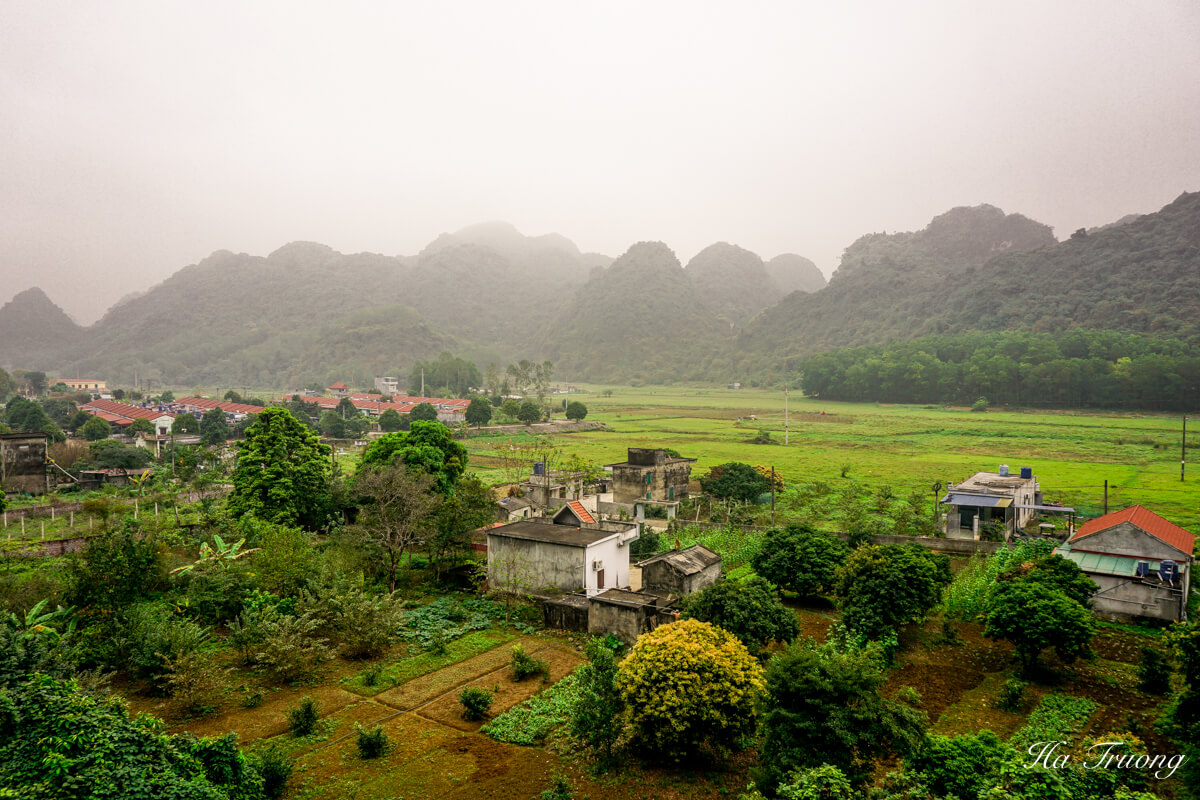
Mai Chau is one of my favorite countryside escapes from Hanoi. The valley is filled with rice fields, small villages, traditional stilt houses, and quiet roads that are perfect for exploring by bicycle.
I stayed in Mai Chau for a week, and I loved having enough time to slow down. My days were simple in the best way: cycling through the valley, stopping in different villages, and returning to my homestay for a home-cooked dinner.
In this guide, I’ll take you through the best things to do in Mai Chau, along with where to stay, how to get there, and how to plan a short trip.
Mai Chau at a glance
Best time to visit: Plan your trip between March and May or from September to November, when the weather is usually more comfortable for cycling and exploring the valley. The rice fields look different throughout the year, so have a look at my guide to the best time to visit Mai Chau before choosing your dates.
Getting there: Mai Chau is around three to four hours from Hanoi. You can compare the main options in my Hanoi to Mai Chau transport guide, or check Mai Chau tours if you prefer to have everything arranged.
Where to stay: For a friendly, affordable stay beside the rice fields, I recommend Little Mai Chau Homestay. Mai Chau Ecolodge is a better choice when you want more comfort, while Mai Chau Hideaway Lake Resort is lovely for a quieter lakeside escape.
1. Cycle through the Mai Chau Valley
Cycling is the easiest and most enjoyable way to explore the central valley. The roads are mostly flat, and you can ride past rice fields, gardens, farms, and traditional houses without following a complicated route.
I loved setting off from my homestay and following whichever small road looked interesting. It gave me the freedom to stop for photos, explore quieter lanes, and return whenever I was ready.
Many homestays lend bicycles to guests or rent them for a small fee. Don’t forget to check the brakes, tires, and seat before leaving, as some bicycles have seen plenty of use.
A guided cycling tour can be worthwhile when you want more context about the villages, farming, weaving, and White Thai culture. You may also discover smaller paths that are easy to miss when cycling alone.
Find guided Mai Chau cycling tours →

2. Explore the villages around Mai Chau
Lac and Pom Coong are the best-known villages in Mai Chau. Both have homestays, restaurants, traditional houses, and shops selling textiles and souvenirs.
Lac Village is convenient, but it can become busy when tour groups arrive. I preferred cycling towards quieter villages such as Nhot and Van, where there was less traffic, and the atmosphere felt more relaxed.
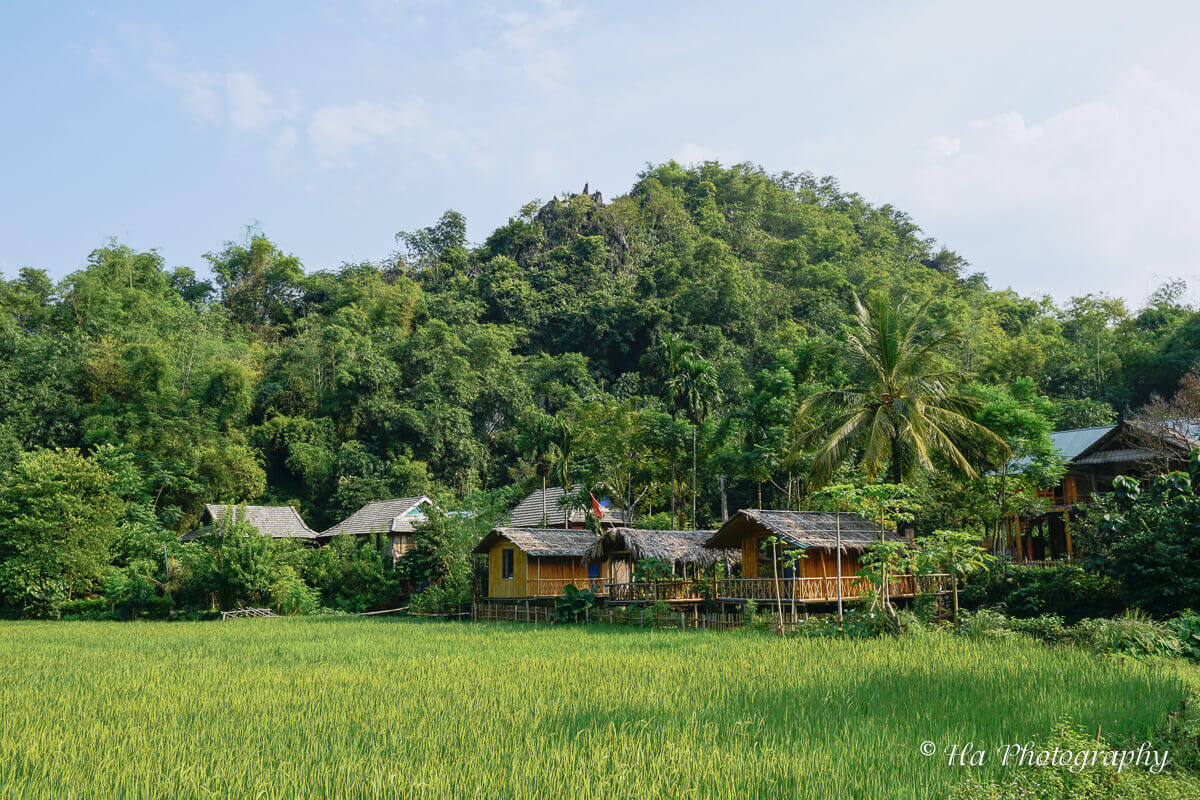
You will see wooden stilt houses throughout the valley. These homes are raised above the ground, with the main living space reached by a staircase.
I’d explore the villages slowly rather than treating them as a checklist. Stop for a drink, browse a small shop, and follow the public paths between the rice fields.
And remember that these are residential communities. Ask before photographing people or entering private spaces, and keep noise down when cycling past homes.

3. Stay in a traditional stilt-house homestay
A homestay is one of the best places to stay in Mai Chau. You get to experience village life, eat local food, and wake up close to the rice fields.
Traditional homestays offer different room styles. Some have shared sleeping areas inside a large stilt house, while others provide private rooms or separate bungalows with bathrooms.
I stayed at Little Mai Chau Homestay for a week and loved the quiet location. The rice fields were right in front of the property, and I could borrow a bicycle whenever I wanted to explore.
I also ate dinner there most evenings. The dishes changed regularly, and it was lovely returning to a home-cooked meal after spending the day outside.
Check availability at Little Mai Chau Homestay →
For more choices, see my guide to the best homestays in Mai Chau.
4. Try Mai Chau’s local food
Food is a big part of the Mai Chau experience, especially when you stay in a family-run homestay. Meals are often served as several dishes to share, so you can try a little of everything.
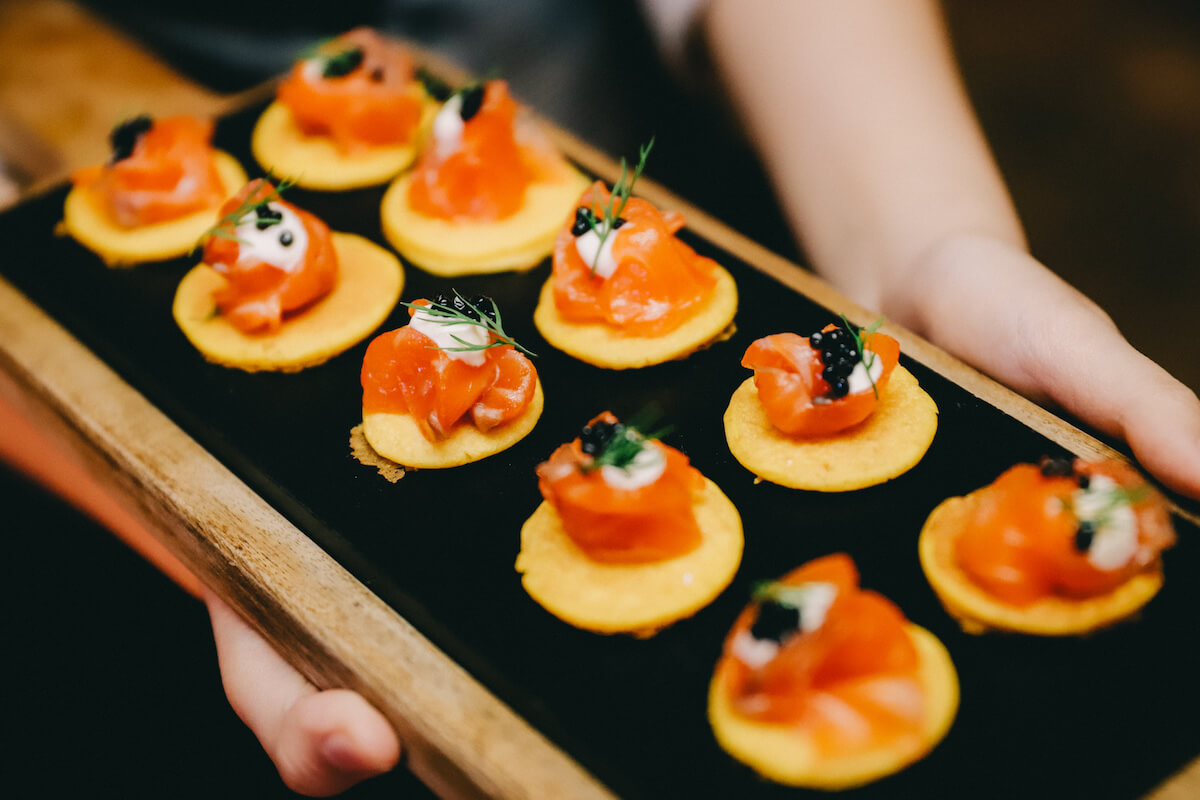
Cơm lam is one of the best-known local foods. This sticky rice is cooked inside bamboo tubes and often served with crushed peanuts, sesame, or grilled meat.
You may also find grilled chicken, pork skewers, stream fish, bamboo shoots, mountain vegetables, and colorful sticky rice. The exact dishes depend on the season and what your host is cooking that day.
Book at least one dinner at your accommodation rather than eating every meal in the tourist center. When the weather is cooler, ask whether your host can prepare a hot pot.
Let your accommodation know about allergies or dietary requirements in advance. Having the details translated into Vietnamese can make communication easier.

5. Watch local weaving and shop for textiles
Mai Chau is known for woven textiles produced by women from the White Thai community. Shops around the villages sell scarves, bags, clothing, cushion covers, and decorative fabrics.
Some shops have looms near the entrance, so you can watch the weaving process while you browse.
Not everything sold in the main villages is produced locally. When buying a handmade piece, ask whether it was woven in Mai Chau and whether the shop works directly with local craftspeople.
A small amount of polite bargaining may be expected. But I would avoid pushing too hard over something that has taken many hours to make.


6. Watch a traditional dance performance
Some homestays and local groups arrange evening performances featuring White Thai music, dancing, drums, flutes, and gongs. Performers usually wear traditional clothing, and guests may be invited to join one of the dances.
Performances are more common when several guests or a tour group have booked together. Ask your accommodation before arriving if you would like to include one in your stay.
7. Stop at Thung Khe Pass
Thung Khe Pass sits along the main road between Hanoi and Mai Chau. It is also known as Da Trang Pass, which means White Rock Pass, because of the pale limestone beside the road.
There are several viewpoints and small roadside stalls selling grilled corn, sticky rice, eggs, tea, and simple snacks. It is a pleasant place to stop and stretch your legs during the journey.
The weather can change quickly here, and fog sometimes reduces visibility. I only stop in a proper pull-in area and avoid walking too close to moving traffic.
Many organized tours include a short stop at the pass. When booking a private transfer, ask whether your driver can include it on the way.

8. See the valley from Mai Chau Flagpole
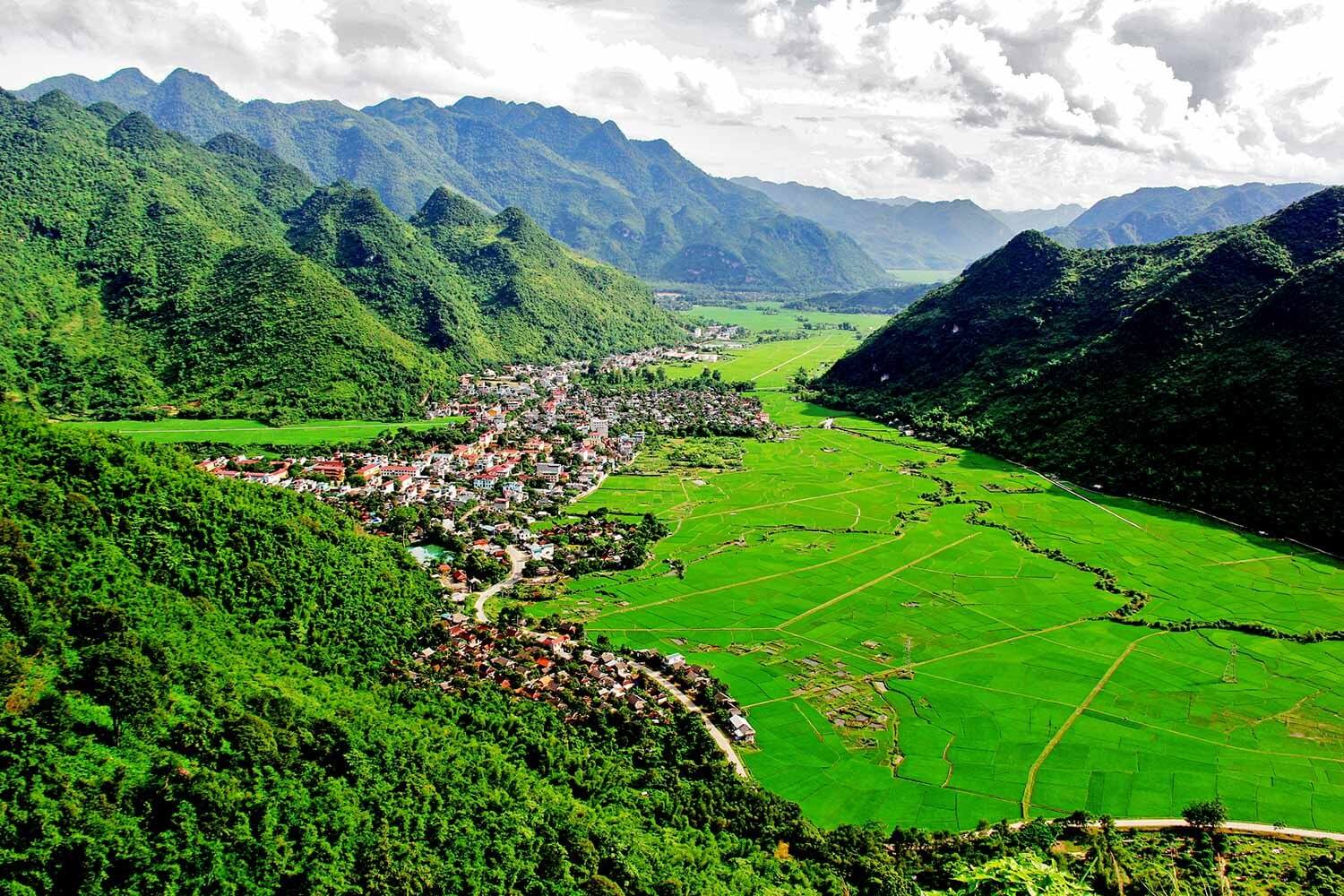
The viewpoint near Mai Chau Flagpole offers one of the widest views over the valley. You can see fields, villages, roads, and layers of mountains below.
It works well as an arrival or departure stop because it is beside the mountain road above Mai Chau. I like to visit in the morning when the sky is clear, although mist can also create a lovely view.
The roadside space is fairly simple, so do not expect a developed attraction with many facilities. The view is the reason to stop.
9. Watch the clouds at Hang Kia Pa Co
Hang Kia and Pa Co are highland communities outside the main Mai Chau Valley. The area is known for its Hmong culture, mountain scenery, and early-morning clouds.
Cloud hunting depends entirely on the weather, so no one can promise a clear sea of clouds. Your chances are usually better during the cooler months when mist gathers between the mountains.
You will need to leave Mai Chau very early. I recommend arranging a local driver or tour through your accommodation rather than trying to organize transport before sunrise.
Read my full Hang Kia Pa Co cloud-hunting guide when planning the trip.

10. Visit Pa Co Sunday Market
Pa Co Market takes place on Sunday mornings and serves communities living around the surrounding mountains. You will find produce, clothing, textiles, household items, tools, snacks, and everyday goods.
Arrive early, as the market begins to quiet down before midday. You can combine it with a sunrise visit to Hang Kia when your trip falls on a Sunday.
This is a working local market, not simply a tourist attraction. Ask permission before taking close-up photographs, and avoid standing in the way while people are shopping.
A local driver is the simplest transport option. Arrange a return journey in advance, as finding a taxi around the market can be difficult.
11. Climb to Chieu Cave
Chieu Cave is one of the most popular attractions close to Mai Chau town. Reaching it involves climbing around 1,200 stone steps, so allow enough time and do not attempt it in a rush.
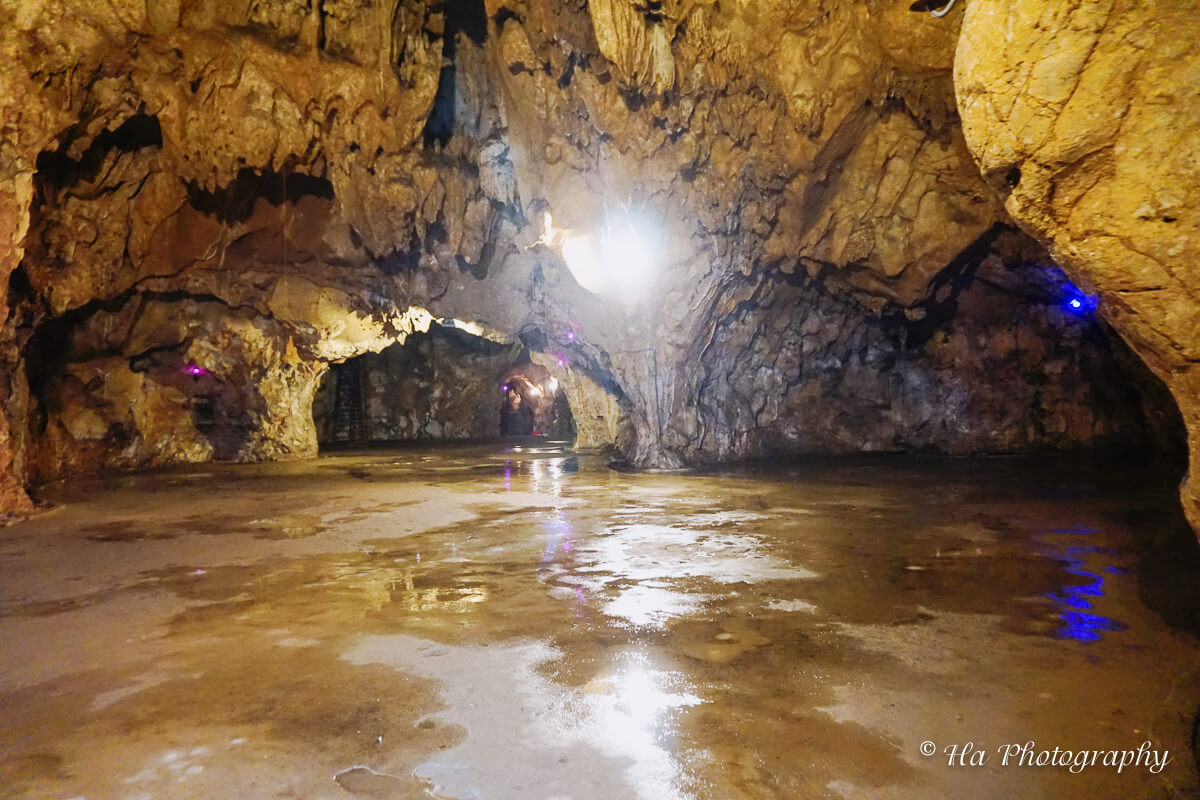
The climb can be tiring in warm weather, but the views improve as you get higher. Inside the cave, you will see limestone formations and large chambers shaped over many years.
Its name is connected to the afternoon sunlight that enters the cave and lights up parts of the rock. However, the experience still depends on the weather and time of day.
Bring water and wear trainers or walking shoes with a good grip. The steps can feel slippery after rain.

12. Explore Mo Luong Cave
Mo Luong Cave is located in the Pu Kha mountain area close to Mai Chau town. It has several chambers with stalactites, limestone formations, and local wartime history.
It is a useful alternative when you want to visit a cave without climbing the long staircase to Chieu Cave. However, the cave floor can still be dark and uneven.
Opening arrangements and access information have changed over time. You can ask your accommodation whether Mo Luong Cave is currently open and whether a guide is needed before heading there.
Wear sensible shoes and bring a light when one is not provided.
You can learn more in my Mo Luong Cave travel guide.
13. Visit Go Lao Waterfall
Go Lao Waterfall is around 15 kilometers from central Mai Chau. The journey takes you through rural scenery and small communities before reaching the path down to the falls.
The final trail can become muddy and slippery after rain. So wear shoes with good grip and avoid visiting immediately after severe weather.
Some visitors swim in the pool below the waterfall when the water is calm. Check the depth and current carefully, and follow any local warnings.

14. Kayak or take a boat trip on Ba Khan Lake
Ba Khan sits beside Hoa Binh Lake and feels very different from the rice fields of central Mai Chau. The area has calm water, limestone hills, and quiet rural scenery.
Depending on the provider and weather, you may be able to arrange kayaking, paddleboarding, or a boat trip.
Late afternoon can be lovely near the lake, but I would avoid a long journey back on unfamiliar roads after dark. Staying nearby makes the visit much easier.
Mai Chau Hideaway Lake Resort is a good choice when the lake is one of your main reasons for visiting.
Check rooms at Mai Chau Hideaway Lake Resort →

15. Take a side trip to Pu Luong
Pu Luong is a beautiful addition when you have more than two nights in the area. It has mountain villages, terraced fields, waterfalls, and longer hiking routes.
The journey takes time, so I would not squeeze Pu Luong into a standard one-night Mai Chau trip. It works better as a separate stop or part of a longer northern Vietnam itinerary.
Choose Mai Chau when you want easier access, gentle cycling, and a relaxed village stay. Choose Pu Luong when hiking and more remote mountain scenery are higher on your list.
Some tours combine the two destinations over several days.
Compare Mai Chau and Pu Luong tours on Viator →
Where to stay in Mai Chau
The best place to stay depends on whether you want a friendly homestay, a comfortable ecolodge, or a quiet lakeside resort.
| Stay | Best for | Why stay here |
|---|---|---|
| Little Mai Chau Homestay | Budget travelers and a personal homestay experience | Peaceful rice-field setting, bicycles, friendly hosts, and home-cooked dinners |
| Mai Chau Ecolodge | Couples and travellers wanting more comfort | Private bungalows, countryside views, a pool, and resort facilities |
| Mai Chau Hideaway Lake Resort | Lake views and a quiet escape | Convenient for kayaking, boat trips, and exploring the Ba Khan area |
Lac and Pom Coong are convenient when you want restaurants and easy access to village activities. I like to stay farther from the busiest streets when rice-field views and quiet mornings matter more.
Check whether your chosen room is private or part of a shared stilt-house sleeping area. The word “homestay” is used for both styles.
Weekend stays and Vietnamese public holidays can be busy, so booking early gives you a better choice of rooms.
Where to go after Mai Chau
Ninh Binh is a good next stop when you want to continue through northern Vietnam without returning to Hanoi. Direct connections are more limited than routes from Hanoi, so arrange your journey in advance.
My Mai Chau to Ninh Binh transport guide explains the available options.
When you are returning to the capital, use my guide to the best things to do in Hanoi to plan the next part of your trip.
You can also see how Mai Chau fits into a longer two-week Vietnam itinerary.
Mai Chau FAQs
Can you visit Mai Chau in one day?
Yes, but it will be a long day from Hanoi. A typical day trip includes lunch, a village visit, and a short bicycle ride.
Stay overnight when possible because you will have more time to explore without watching the clock.
Is Mai Chau touristy?
Parts of Lac Village can feel busy when tour groups arrive. Cycle beyond the main streets, and you will quickly find quieter roads and villages.
Can you explore Mai Chau without a tour?
Yes, the central valley is easy to explore independently by bicycle. A local driver or tour is more useful for Hang Kia Pa Co, Go Lao Waterfall, and Ba Khan Lake.
Is Mai Chau better than Pu Luong?
Mai Chau is easier to reach and works well for short trips, relaxed cycling, and comfortable homestays. Pu Luong is better for longer hikes and more remote mountain scenery.
Do you need a motorbike in Mai Chau?
No, you can explore the central valley by bicycle. For places farther away, hire a driver if you are not an experienced and legally covered motorbike rider.