Best Time to Visit Ha Giang: Weather & Tips
Planning a trip to Ha Giang, Vietnam? Discover the best time to visit Ha Giang for stunning landscapes, vibrant festivals, and unforgettable adventures. Learn when to go, what to see, and what to avoid.
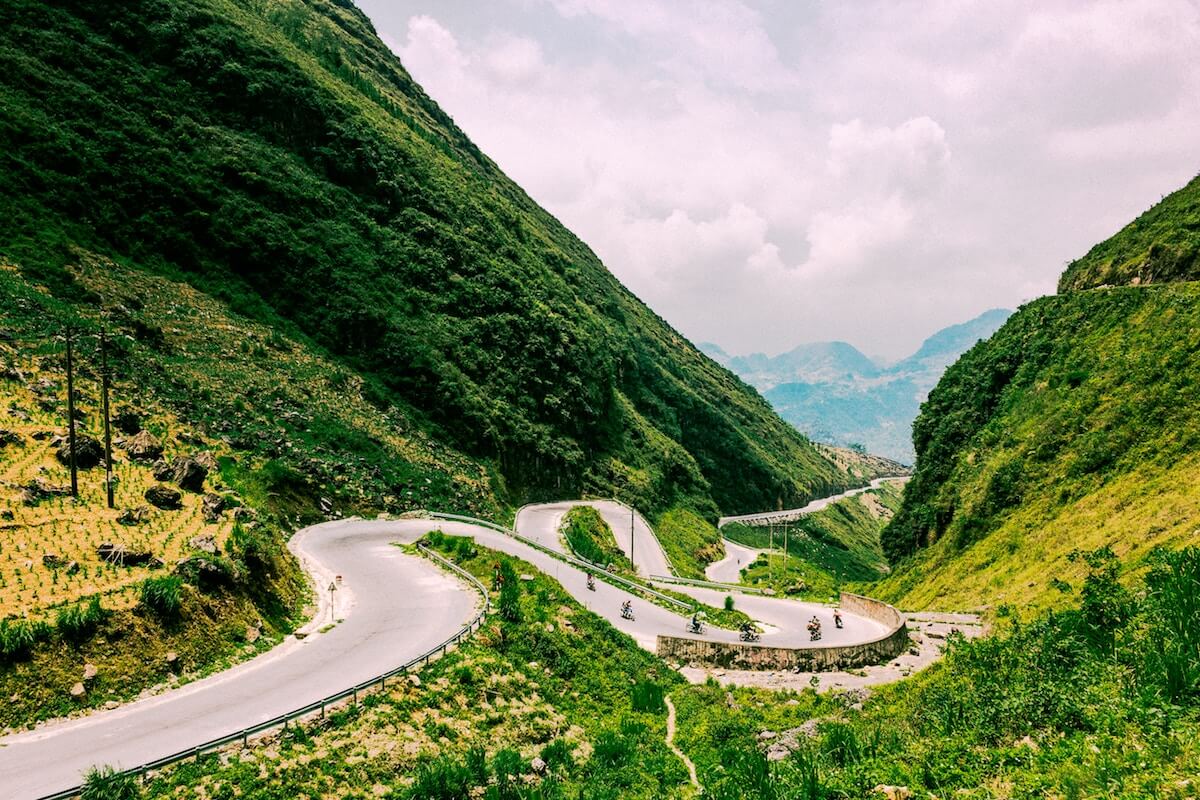
Ha Giang, in the far northeast of Vietnam, is one of the most breathtaking places I’ve ever explored. The winding mountain roads, dramatic passes, and colorful ethnic villages make it an unforgettable adventure.
If you love epic landscapes and off-the-beaten-path experiences, Ha Giang is the place for you. But to really enjoy it, picking the right time to visit Ha Giang makes a big difference.
Ha Giang’s Climate and Weather
Ha Giang has a tropical monsoon climate, which means it’s pretty unpredictable. The weather changes fast, especially in the mountains.
- Average: 21.6–23.9°C (71–75°F)
- Hottest (June–July): Up to 40°C (104°F)
- Coldest (January): As low as 2.2°C (36°F)
Summers can be hot, but the mountain breeze helps. Winters, though, can be surprisingly cold, especially at night.
Best Time to Visit Ha Giang
So when to visit Ha Giang? Short answer: the best time to visit Ha Giang is from September to November. This period offers clear skies, stunning golden rice terraces, and vibrant buckwheat flower fields.
But if your schedule doesn’t align, don’t worry—every season has its own charm, and here’s what you can expect:
January – Blossom Season
- Best for: Plum blossoms, peach blossoms, yellow mustard flowers
- Temperature: 10–15°C (50–59°F)
Ha Giang in January feels like stepping into a postcard with its pink peach blossoms and yellow mustard flowers against rugged mountain backdrops.
However, it can get very cold, with temperatures dropping as low as 2°C (36°F), especially at night.
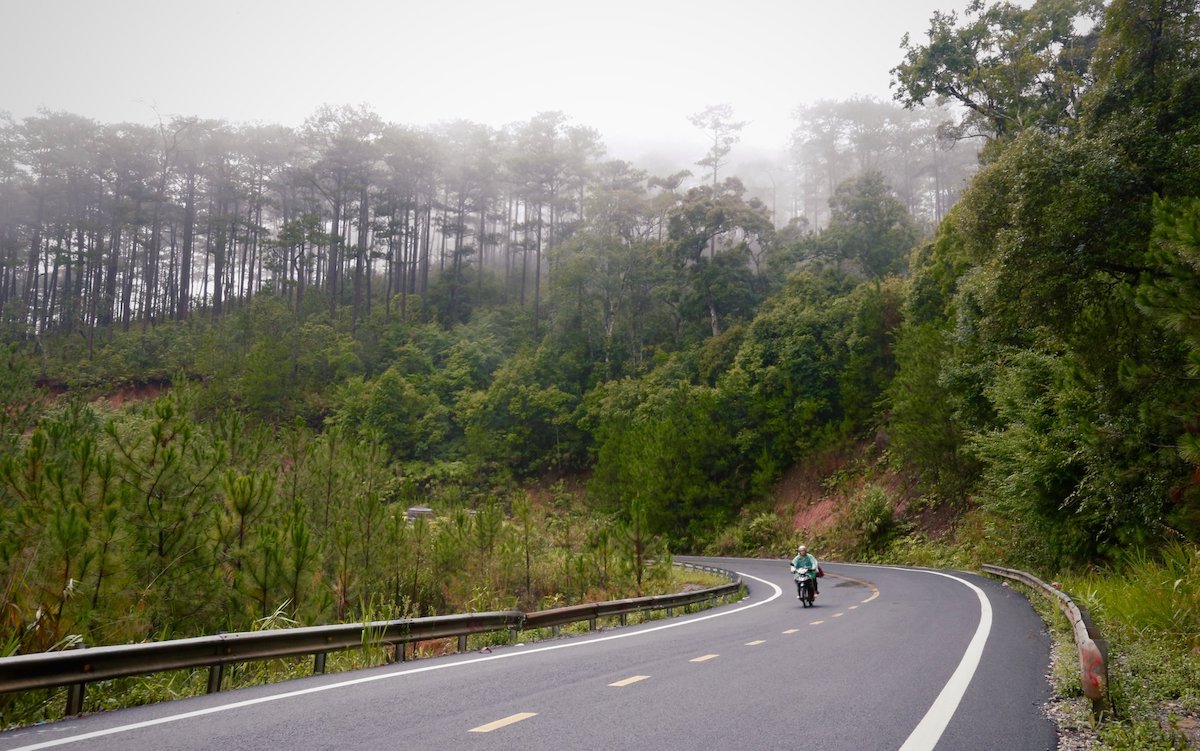
Dense fog and mist are common, which might affect visibility on mountain passes, making it challenging for motorbike riders.
April – Festival Season
- Best for: Khau Vai Love Market Festival, late peach and plum blossoms
- Temperature: 20–25°C (68–77°F)
April is all about the Khau Vai Love Market Festival. It’s a unique event where people gather to reconnect with past loves.
Even if you’re not into the love story, the festival vibe, traditional music, and colorful outfits are worth the trip. It’s also a great time to explore Ha Giang Loop without the summer heat.
May & June – Green Season
- Best for: Lush green landscapes, flooded rice terraces
- Temperature: 25–30°C (77–86°F)
This is when the terraced fields are flooded, turning into giant mirrors reflecting the sky. It’s surreal, especially at sunrise or sunset. If you’re into photography, this season offers some of the most vibrant greens you’ll ever see.
September – Golden Rice Season
- Best for: Ripe rice terraces, harvest season vibes
- Temperature: 20–28°C (68–82°F)
September is magical. The rice fields turn golden, and the sweet smell of ripe rice fills the air. It’s like nature showing off.
Trekking through Hoang Su Phi during this season is an experience you won’t forget. If you love photography, this is your season.
October to November – Buckwheat Flower Season
- Best for: Buckwheat flower fields, cool weather
- Temperature: 15–22°C (59–71°F)
This is Ha Giang’s busiest season because of the famous buckwheat flowers. The hills are covered in pink and purple blooms, especially around Dong Van and Meo Vac.
Riding along the Ha Giang Loop with flowers everywhere? Unforgettable. The cool, crisp air makes outdoor adventures even more enjoyable.
When NOT to Visit Ha Giang
The rainy season (July to Early September) is when things get tricky:
- Landslides: Mountain roads can be dangerous, especially around Meo Vac.
- Flooding: Rivers rise quickly, making some areas hard to reach.
- Storms: Sudden downpours can catch you off guard.
I’ve seen landslides block roads and heard stories of travelers getting stuck. Ha Giang is an adventure, but safety comes first. If you go during this time, be extra cautious.
Best Time to Ride the Ha Giang Loop
- March to May: Cool, dry weather with vibrant landscapes, perfect for motorbike trips.
- September to November: Clear skies, golden rice terraces, and buckwheat blooms. The scenery is breathtaking.
- Avoid July–August: Heavy rain can make the roads slippery and risky for riding.
Things You Shouldn’t Miss in Ha Giang
- Ma Pi Leng Pass: The views here will blow your mind. It’s like standing on the edge of the world, with the Nho Que River winding far below.
- Dong Van Karst Plateau: A UNESCO Global Geopark with jaw-dropping rock formations and traditional Hmong villages.
- Lung Cu Flag Tower: The northernmost point of Vietnam with panoramic views that stretch into China.
- Local Markets: Don’t miss markets like Dong Van and Meo Vac. The colors, the people, the food—it’s an experience.
Ha Giang Travel Tips
- Permits: You need a travel permit for border areas. It’s easy to get in Ha Giang City for around $10.
- Motorbike Safety: If doing the Ha Giang Loop, wear proper gear. Roads can be steep and winding.
- Cash: ATMs are scarce outside Ha Giang City. Bring enough cash for remote areas.
What to Pack for Ha Giang
- Spring/Fall: Light layers, sunscreen, sturdy hiking shoes.
- Winter: Warm jackets, gloves, and thermal wear—it gets colder than you’d expect.
- Rainy Season: Waterproof jacket, quick-dry clothes, and waterproof bags for electronics.
Final Thoughts
Whether you’re riding through mountain passes, hiking through flower fields, or sipping tea with locals, Ha Giang will stick with you long after you leave.
I hope this guide helps you plan your trip!
| Season | Best For | Temperature | What to Expect |
|---|---|---|---|
| Spring (Feb–Apr) | Blossoms, Love Market Festival | 15–25°C (59–77°F) | Mild weather, vibrant peach and plum blossoms |
| Summer (May–Aug) | Green landscapes, flooded terraces | 25–35°C (77–95°F) | Lush scenery, rainy season with occasional showers |
| Autumn (Sep–Nov) | Golden rice fields, buckwheat flowers | 20–28°C (68–82°F) | Cool, dry weather, perfect for trekking |
| Winter (Dec–Jan) | Misty views, peaceful scenery | 5–15°C (41–59°F) | Crisp air, fewer tourists, serene landscapes |