Where To Stay In Tokyo: Best Areas & Hotels
Trying to figure out where to stay in Tokyo? I get it. This city is huge, and picking the wrong neighborhood can turn a ten-minute trip to dinner into an hour-long detour.
I’ve stayed in most of Tokyo’s main areas over the years, so I’m breaking down exactly which neighborhood fits your trip, plus the specific hotels I’d actually book in each one.
In this guide, I’m covering the best areas to stay in Tokyo for first-timers, couples, families, and budget travelers, along with real hotel picks for each one. I’ll also walk you through how much you should expect to pay per night, where to stay for the best views, and how to get from the airport to your hotel without overthinking it.
Best areas to stay in Tokyo at a glance
If I had to pick just one area for a first-time visit, it’d be Shinjuku or Shibuya. Both are central, easy to get around from, and full of things to do right outside your hotel.
Ginza is my pick if you’d rather have a quieter, more upscale base, and Asakusa is worth it if you want a slower pace close to Tokyo Skytree and Sensō-ji.
| Neighborhood | Best for | Price range (per night) |
|---|---|---|
| Shinjuku | First-timers, nightlife, shopping | ¥8,000 to ¥30,000+ |
| Shibuya | Trendy vibe, easy transport | ¥9,000 to ¥35,000+ |
| Ginza | Luxury, upscale dining | ¥20,000 to ¥100,000+ |
| Asakusa | Traditional feel, budget travelers | ¥5,000 to ¥20,000 |
| Tokyo Station | Convenience, day trips | ¥10,000 to ¥40,000 |
| Roppongi | Nightlife, art, expats | ¥10,000 to ¥35,000 |
Best hotels in Tokyo, Japan
Here’s my quick pick list if you just want an answer. I’ve picked these for location first, since that matters more than a fancy lobby once you’re out exploring all day.
- Best luxury hotel: Park Hyatt Tokyo
- Best mid-range hotel: Bespoke Hotel Shinjuku
- Best budget hotel: Nihon Seinenkan Hotel
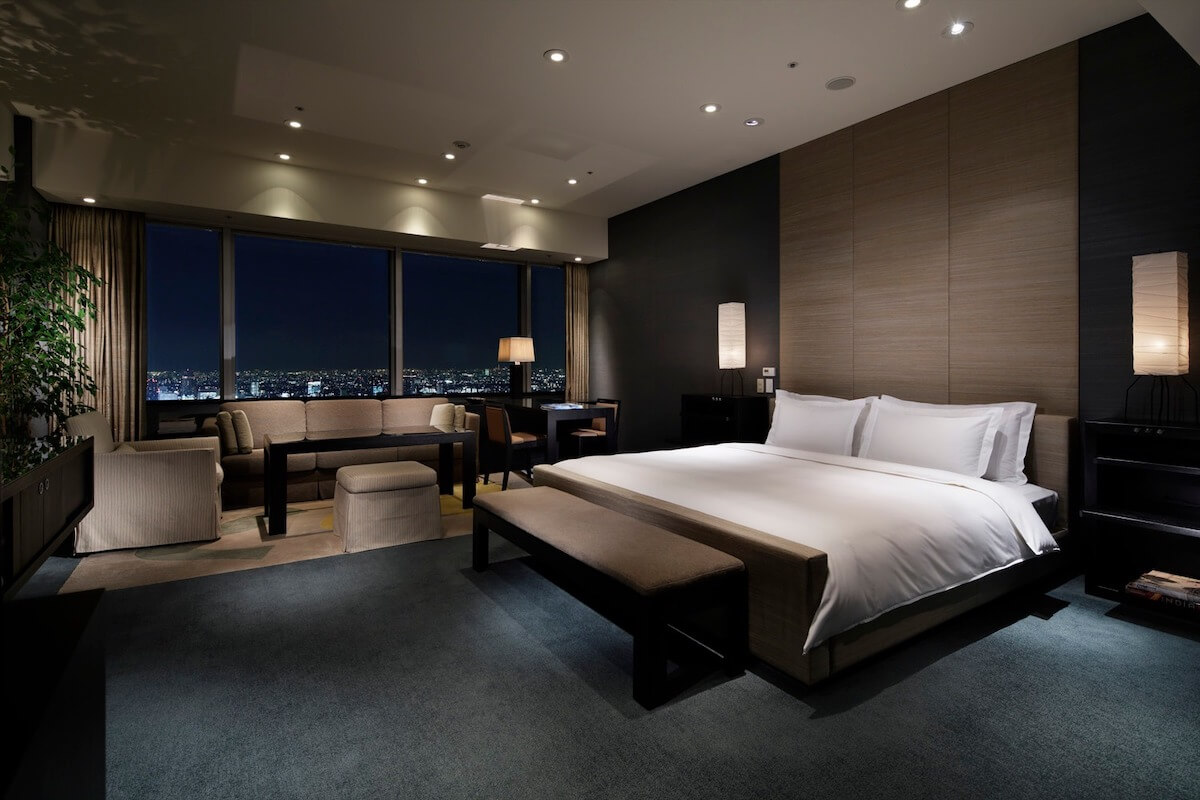
- Best hotel with beautiful views: Mandarin Oriental Tokyo
- Best hotel for families: Hyatt Regency Tokyo
Want to compare prices yourself before committing? Compare hotels in Tokyo on Booking.com, or check Agoda too, since I’ve found one or the other has better rates depending on the dates.
Tokyo neighborhood guide: where each area fits your trip
The best areas to stay in Tokyo are Shinjuku, Shibuya, Ginza, Asakusa, Tokyo Station, and Roppongi. Each one has a pretty different personality, so let me walk you through what makes each one worth it.
Shinjuku
Best for: first-timers, nightlife, and shopping
Shinjuku was the first place I ever stayed in Tokyo, and it’s still one of the smartest bases for a first trip. It’s loud, busy, and endlessly entertaining, and you’re never more than a few minutes from a train that goes anywhere you need.
You’ll find everything here, from tiny izakayas hidden down alleyways to glossy department stores. And whatever your budget looks like, Shinjuku has a hotel to match it.
Staying here also puts you close to Shinjuku Gyoen National Garden and Meiji Jingu Shrine, so you get quiet green space right next to all the neon.

Best hotels in Shinjuku
- Luxury hotel: Keio Plaza Hotel Tokyo Premier Grand
- Midrange hotel: Bespoke Hotel Shinjuku
- Budget hotel: Tokyu Stay Shinjuku Eastside
- Hostel: Imano Tokyo Hostel
Best things to do in Shinjuku
While you’re here, ride up to the Tokyo Metropolitan Government Building Observation Deck for a free view over the whole city. Shinjuku Gyoen National Garden and Meiji Jingu Shrine are both close by if you want some quiet, and Kabukicho comes alive at night with its restaurants, bars, and arcades. Save some time for Takashimaya Times Square too if shopping is on your list.

Shibuya
Best for: trendy travelers who want easy transport links
Shibuya has a younger, more fashion-forward energy than Shinjuku, and it’s just as easy to get around from. If you want chic cafes, good shopping, and a short hop to Harajuku or Shinjuku, this is your area.
A lot of the hotels here also run surprisingly good deals, so you don’t need a luxury budget to stay somewhere central.
Best hotels in Shibuya
- Luxury hotel: Trunk Hotel
- Midrange hotel: sequence MIYASHITA PARK / SHIBUYA
- Budget hotel: Hotel Wing International Premium Shibuya
- Hostel: Wise Owl Hostels Shibuya
Best things to do in Shibuya
Spend an afternoon browsing the shopping streets around Center Gai and Takeshita Street, then cross the famous Shibuya Scramble Crossing at least once, just to say you did. The Hachiko Statue is right there too, and it’s a fun quick photo stop. If shopping is the goal, trendy malls like 109 and Parco are both an easy walk away.
Ginza
Best for: luxury travelers and upscale dining
Ginza is where I’d send you if you want a quieter, more polished Tokyo base. It sits between Yurakucho and Shinbashi stations, and it mixes traditional culture with some seriously high-end shopping.
You’ll find flagship stores from major Japanese brands here, department stores like Mitsukoshi and Matsuya, and a dining scene that ranges from classic Japanese cuisine to modern fusion. There are upscale bars around too, if you want a calmer night out than Shinjuku or Roppongi.
Best hotels in Ginza
- Luxury hotel: The Peninsula Tokyo
- Midrange hotel: Tokyu Stay Ginza
- Budget hotel: Sotetsu Fresa Inn Ginza-Nanachome
- Hostel: Imano Tokyo Ginza Hostel
Best things to do in Ginza
Ginza rewards slow mornings, so give yourself time to window-shop the flagship stores before settling in for dinner at one of the neighborhood’s top-notch restaurants. If you’re around in the evening, catch a traditional performance at Kabuki-Za Theater, and take a slow walk down Chuo Dori Street while the shops are still lit up.
Asakusa
Best for: a traditional feel and budget travelers
Asakusa has a completely different pace than the rest of Tokyo, and it’s one of my favorite areas for that reason. It sits right next to Tokyo Skytree and Sensō-ji, so you get an authentic, old-town feel without leaving the city.
Wander the alleyways here and you’ll find traditional shops selling crafts and souvenirs, cherry blossom viewing spots in spring, and the always-busy Nakamise Shopping Street. Multiple train lines run through Asakusa Station too, so getting to other parts of Tokyo is never a hassle.
Best hotels in Asakusa
- Luxury hotel: Asakusa View Hotel
- Midrange hotel: The Gate Hotel Asakusa Kaminarimon
- Budget hotel: APA Hotel Asakusa Kaminarimon
- Hostel: Sakura Hostel Asakusa
Best things to do in Asakusa
Get to Sensoji Temple early in the morning before the crowds show up, then let yourself wander and sample local specialties as you go. Nakamise Shopping Street is right there for souvenirs, and if you’re traveling with kids, Hanayashiki Amusement Park, Japan’s oldest amusement park, is a fun stop nearby.
If you’d rather sleep on a futon in a room with tatami mats and your own private bath, Asakusa is also a good jumping-off point for a traditional stay. I’ve rounded up my favorite ryokans in Tokyo if that sounds more like your trip.
Tokyo Station area
Best for: convenience and day trips
The Tokyo Station area is a smart pick if you’re doing a lot of day trips or moving between cities. It’s one of the best-connected spots in the entire country, so you can reach almost anywhere in Tokyo, and beyond, without much planning.
There are plenty of restaurants and malls here too, ranging from local izakayas to international chains, plus museums, temples, and shrines within easy walking distance.
Best hotels near Tokyo Station
- Luxury hotel: Mandarin Oriental Tokyo
- Midrange hotel: Oakwood Premier Tokyo
- Budget hotel: Hotel Ryumeikan Tokyo
- Hostel: CITAN Hostel
Best things to do in the Tokyo Station area
Check what’s on at Tokyo International Forum, since it hosts everything from concerts to art exhibits. The Imperial Palace East Garden is a peaceful walk if you need a break from the crowds, and Yaesu Underground Shopping Mall is worth a wander for souvenirs. The Marunouchi Building is also worth a look, whether you just admire it from outside or stop in for a meal.
Since you’re already this well connected, staying here makes a lot of sense if you’re planning any day trips from Tokyo.
Roppongi
Best for: nightlife and art lovers
Roppongi has been Tokyo’s main nightlife district for years, and it still holds that title. Cocktail bars, nightclubs, and excellent restaurants all sit within walking distance of each other, and the neon-lit streets make for a fun evening even if you’re not planning to stay out late.
There’s also a strong art scene here if that’s more your speed, plus plenty of shopping from department stores to small boutiques.
Best hotels in Roppongi
- Luxury hotel: Grand Hyatt Tokyo
- Midrange hotel: Mitsui Garden Hotel Roppongi Premier
- Budget hotel: remm Roppongi
Best things to do in Roppongi
Take an evening stroll around Roppongi Hills, then spend some time at Mori Art Museum if modern art is your thing. National Theatre Tokyo is close by for a traditional kabuki performance, and once the sun goes down, just pick any bar or club along the main strip and see where the night takes you.
Looking for more nightlife ideas beyond Roppongi? I’ve also got guides to the best rooftop bars in Tokyo and the best things to do at night in Tokyo.
Getting from the airport to your hotel
Most international flights land at Narita or Haneda, and both connect to central Tokyo by train, though the ride and cost vary a lot depending on which one you fly into.
If you’re landing at Narita, I’ve laid out exactly what to expect in my Narita Airport to Tokyo guide, including train options and rough travel times to each neighborhood above.
Planning to explore beyond Tokyo too? My Japan train travel guide and Japan Rail Pass guide will help you figure out whether a rail pass is worth it for your trip.
How much do Tokyo hotels cost per night?
Tokyo hotel prices have climbed since the post-pandemic years, thanks to a weak yen and record numbers of visitors, but there’s still a wide range no matter your budget.
Hostels and capsule hotels run about ¥3,000 to ¥5,500 a night, and I’d say they’re a comfortable option in Tokyo rather than a last resort. Japanese hostels tend to be spotless and well run.
Mid-range business hotels usually cost ¥10,000 to ¥25,000 a night, and this is where most travelers end up staying.
Luxury hotels start around ¥40,000 and can climb past ¥100,000 in areas like Ginza or Marunouchi, especially during cherry blossom season or autumn foliage.
A few cities in Japan, Tokyo included, also charge a small accommodation tax at check-in, usually somewhere between ¥100 and ¥1,000 depending on your room rate. It’s not much, but it’s worth knowing about so you’re not caught off guard.
My best tip: book 1 to 3 months ahead if you’re visiting in spring or fall, since prices jump fast once rooms start filling up. Compare current Tokyo hotel prices on Booking.com to get a feel for what’s available for your dates.
Where to stay in Tokyo with the best views?
If you want a room with a view, The Peninsula Tokyo, Mandarin Oriental Tokyo, and The Gate Hotel Asakusa Kaminarimon are the three I’d point you toward. All three deliver, just in different ways.
The Peninsula Tokyo sits in Marunouchi and looks out over Tokyo Bay and, on a clear day, Mount Fuji, so it’s my pick if you want the full luxury experience to match the view.
Mandarin Oriental Tokyo trades the bay for a more panoramic city outlook, and it’s the one I’d choose if watching Tokyo’s skyline light up at night is the whole point of your stay.
And if you want a proper rooftop view without the five-star price tag, The Gate Hotel Asakusa Kaminarimon is the one to book.
Where to stay in Tokyo on a budget?
For price-conscious travelers, I’d look at Nihon Seinenkan Hotel, Nohga Hotel Akihabara, and Hotel Wing International Premium Shibuya.
Nihon Seinenkan Hotel sits centrally and delivers reliably good, reasonably priced rooms without cutting corners on service.
Nohga Hotel Akihabara is the pick if you want something with more personality. It’s artistically designed and offers both private suites and dorm rooms, so you get comfort without paying a premium.
And Hotel Wing International Premium Shibuya is a great option if you want something that feels a little more luxurious while staying affordable.
Want more options below capsule-and-hostel level? I keep an updated list of the best hostels in Tokyo, all vetted for cleanliness and location.
Where to stay in Tokyo with family?
For a family trip, I’d recommend the Cerulean Tower Tokyu Hotel and Hyatt Regency Tokyo. Both give you spacious rooms and enough amenities to keep everyone comfortable after a long day of sightseeing.
Cerulean Tower Tokyu Hotel is my pick if you want the kids to have somewhere to burn off energy without leaving the building. The indoor pool and spa make it easy to build in a slower morning before you head back out.
Hyatt Regency Tokyo leans a bit more practical, with modern guestrooms, a gym, restaurant, and bar on site, so it works well if you just want everything within easy reach.
Before you book your Tokyo stay
A few things worth sorting out before you land, so your trip starts smoothly:
- Get an eSIM so you have data the second you land. Grab an eSIM through Airalo before you fly.
- Travel insurance is one of those things you hope you never need but are glad you have. Compare travel insurance options before your trip.
- Check my best time to visit Japan guide if your dates are still flexible, since it can save you a lot on hotel rates.
- Not sure what to pack? My Japan packing list covers exactly what you need by season.
Tokyo neighborhood FAQ
Is it better to stay in Shinjuku or Shibuya?
Both are vibrant, well-connected districts, so it really comes down to vibe. Shinjuku leans into shopping and nightlife, with big department stores, electronics shops, and an entertainment district that runs late. Shibuya feels younger and trendier, and it’s home to the world-famous Shibuya Crossing, plus plenty of nightclubs, karaoke bars, and boutiques. If you want more variety and a slightly grittier energy, go Shinjuku. If you want trendy cafes and easy access to Harajuku, go Shibuya.
Where should I stay in Tokyo for my first visit?
Shinjuku or Shibuya, hands down. Both put you within easy reach of major sights, and both have train stations that connect to almost everywhere else in the city.
Where should I stay near Tokyo Skytree and Sensō-ji?
Asakusa is your area. You’ll be a short walk from both, and you’ll get a more traditional, laid-back feel than the rest of central Tokyo.