Hanoi to Sapa Vietnam: Your Ultimate Travel Guide
Planning a trip from Hanoi to Sapa, Vietnam? Discover the best travel options and insider tips for your Vietnam adventure!
If you’re planning to explore the best of North Vietnam, starting your adventure in Hanoi is a no-brainer. This city is a perfect gateway, with Sapa being the star of the show.
Picture Sapa as a place where nature turns it up a notch: beautiful rice terraces, friendly local villages, and interesting cultures that’ll have you coming back for more.
Wondering how to swap the lively streets of Hanoi for Sapa’s serene landscapes? I’ve got your back.
Whether you’re into a scenic train journey through the countryside or a direct bus that gets you there fast, I’ll cover the best options to make your journey smooth. Let’s get this adventure rolling!
Hanoi to Sapa Transport Overview
Hanoi to Sapa distance
The distance from Hanoi to Sapa is about 319 kilometers (about 198 miles).
Along the way, you’ll catch sight of rice fields clinging to the mountainsides covered in mist. Be sure to keep an eye out because, at every turn, you’ll be treated to more of these breathtaking views.
How long does it take to get to Sapa from Hanoi?
If you’re wondering about the travel time from Hanoi to Sapa, it typically takes 5 to 9 hours, depending on your mode of transportation.
Whether you’re driving, taking a bus, or opting for a train, plan to spend about half a day.
- By train: The train from Hanoi to Lao Cai (the nearest railway station to Sapa—35 km or 22 miles) takes about 8 hours. From Lao Cai Railway Station, it’s a 65-minute road trip to Sapa. You can get a bus ticket from Lao Cai to Sapa here.
- By bus: A bus to Sapa usually takes around 6 hours.
- By car: Driving along the scenic CT05 highway from Hanoi takes about 5 hours.
If you want to sit back, relax, and not plan much, I recommend taking a tour from Hanoi to Sapa. Tours usually last about 2 to 3 days and include trekking rice terraces and visiting villages.
Here’s a brief rundown of transport choices I mention in this guide.
| Type | Time | Cost | Tickets |
|---|---|---|---|
| Train | 9 hours | $16 (€14.5) | Check tickets |
| Bus | 6 hours | $6 (€5.5) | Check tickets |
| Van | 6 hours | $17 (€15.5) | Check tickets |
| Car | 6 hours | $155 (€142) | Check availability |
| Tour | 3 days | $149 (€137) | Check reviews |
Hanoi to Sapa by Train
Taking an overnight train from Hanoi to Sapa is a lovely way to start your visit to the mountains.
It’s easy, fun, and something a little different. Plus, it’s a journey that can save you the cost of a night in a hotel.
I’ve taken trains and buses to Sapa, and I find the train is much more comfortable and safer!

Train Schedules to Sapa from Hanoi
You have two main options: SP1 and SP3.
SP1 leaves Hanoi at 9.35 pm and arrives in Lao Cai by 5.30 am. SP3 is a tad later, departing at 10 pm and reaching by 6 am. Extra trains might run during busy times, giving you more flexibility.
I’ve always preferred the SP1 – it gets you there just a bit earlier, so you can make the most of your day in Sapa.
How to Buy Train Tickets from Hanoi to Sapa?
Buying your train ticket is pretty straightforward. You can get it online, which means you can pick your seat or bed ahead of time.
It’s a good idea to book early, especially if you’re traveling on the weekend or Vietnam holidays.
You can choose from different types of tickets – some are fancier (like the VIP ones), but even the regular ones are quite comfy.
Where to Catch Your Train to Sapa?
Hanoi has a few train stations, so it may be a bit confusing.
Your train to Sapa departs at the Hanoi Railway Station near the Old Quarter, about a 5-minute by taxi. As the station is big, make sure you go to the right part.
You don’t need to check in like at an airport; just show your ticket on your phone when you get on the train. Arriving 30 minutes before departure would be enough.
Choose Seats or Berths?
When you’re booking your train ride from Hanoi to Sapa, here’s a little tip from me: go for a 4-bed cabin.
You get more privacy and more space to stretch out, and it’s just quieter.
Compared to the 6-bed cabins, it feels like you’ve upgraded to first class without breaking the bank.

What’s The Train to Sapa Actually Like?
I’ve taken this night train from Hanoi to Sapa a few times.
The train is comfy but simple. It’s not super fancy, but it has everything you need for an overnight trip.
You’ll get a bed to sleep in, but remember, it can be a bit noisy and shaky. Pack your earplugs!
There’s a food car on the train, but I recommend bringing some snacks with you.
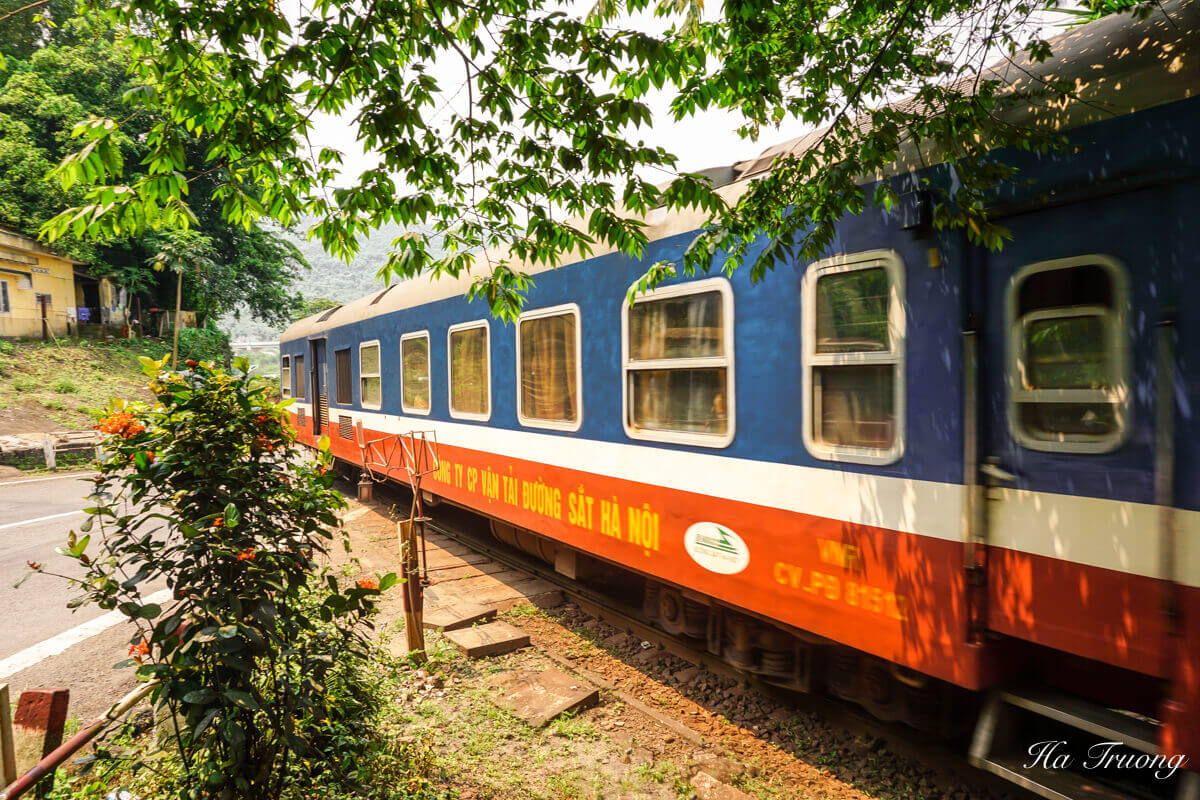
Hanoi to Sapa Private Train
If you’re looking for a touch of comfort and privacy on your travel from Hanoi to Sapa, private train carriages are great options.
Some well-rated private train companies are Chapa Express, Laman Express, and Vic Sapa Train.

When booking a private train carriage, you can choose 4-berth cabins.
The beds are comfortable, often with plush linens. The cabins usually include amenities such as air conditioning, power outlets, and sometimes even WiFi.
More Tips
- Pack Light: Space can be limited, so a backpack or a small suitcase is ideal.
- Entertainment: Bring a book or download some movies. The journey is a great time to catch up on your reading or watch that film you’ve been putting off.
- Warm Clothes: Even if it’s warm in Hanoi, it can get chilly in the mountains near Sapa, especially early in the morning when you arrive.
Read more: Check my Vietnam train travel guide for more tips.
Hanoi to Sapa by Car
Opting for a private car from Hanoi to Sapa offers an unmatched level of comfort and convenience. It’s great if you travel with your family, in a large group, or have lots of luggage.
Taking a private transfer allows you to enjoy a scenic route without the stress of driving yourself.
You can watch the landscapes change from the bustling city to serene rice fields and into the majestic mountains. The flexibility to stop and enjoy these moments is priceless.
Also, drivers often know the best local spots along the way, so don’t hesitate to ask for recommendations or a quick detour if you’re not in a rush.
I recommend using a reputable booking platform like Viator, where you can compare prices and book in advance. This gives you peace of mind, knowing that your ride is sorted before you even land in Hanoi.
Hanoi to Sapa by Bus
Unlike the train, which requires a transfer from Lao Cai station to Sapa, buses take you straight to Sapa town, simplifying your travel plans.
Types of Buses You Can Take
You’ve got choices when it comes to buses. Some are basic, but others are fancier with beds you can lie flat in, called sleeper buses.
I like the sleeper buses for the extra comfort they offer, especially on longer trips.
Sapa Express is a good choice. On my trip, the bus was clean, the staff was friendly, and the journey was smooth. There were scheduled stops to stretch and grab a snack.
How to Book Sapa Bus Tickets?
Getting a ticket is easy – you can do it online.
My advice? If you’re going during a busy time, like holidays or summer, try to book your ticket before you go. This way, you’re sure to have a seat.
Prices are pretty good too, making the bus a budget-friendly choice.
Depending on the service level you choose, expect amenities like Wi-Fi, air conditioning, and complimentary water.
What’s The Bus Trip from Hanoi to Sapa Like?
What sets the bus journey apart is the daytime travel option, allowing you to soak in the views en route to Sapa.
The route takes you through changing landscapes — from bustling city outskirts to tranquil countryside, and finally, the majestic mountains surrounding Sapa.
The roads are in good condition, and drivers are professional, navigating the winding mountain roads with expertise.
If you’re prone to motion sickness, consider seating options closer to the front and prepare with any necessary medications, as the final leg of the journey involves serpentine mountain roads.
A Few Tips for Bus Travelers
- Pack Light: There’s not a ton of room for luggage, so only bring what you need.
- Bring Water: They usually give you water, but having an extra bottle is a good idea.
- Dress Smart: It can be warm in Hanoi but cooler in Sapa, so wearing layers is smart. Also, bring your own pillow and blanket because buses can be quite cold.
- Bring Snacks: The bus will stop for breaks, but having your favorite snacks with you is always nice.
Hanoi to Sapa Minivans
Minivan offers a sweet spot between the spaciousness of buses and the personal touch of a private taxi.
Taking a minivan from Hanoi to Sapa, you’ll find the ride noticeably smoother and faster than larger buses.
Many vans offer door-to-door service, picking you up directly from your accommodation in Hanoi and dropping you off at your hotel in Sapa.
Features and Amenities
Minivans come equipped with amenities designed to make your journey as comfortable as possible.
Expect reclining seats, air conditioning, and Wi-Fi to keep you connected. During my travels, having USB ports at every seat was incredibly convenient.
Operators typically include complimentary water and sometimes snacks, which is a nice touch.
Booking Your Seat
I’ve found that booking in advance is important, especially during peak travel seasons, to ensure availability.
Prices are higher than buses but reasonable for the level of comfort and convenience offered.
Practical Advice
- Travel Light: Space can be limited, so compact luggage is advisable.
- Motion Sickness: If you’re prone to it, choose a seat towards the front and prepare with any necessary remedies.
- Comfort is Key: Dress comfortably and in layers, as the elevation change to Sapa can bring cooler temperatures.
Hanoi to Sapa Tour
Why Consider A Tour?
Tours are fantastic for those who prefer having logistics taken care of, especially in a place as culturally and geographically rich as Sapa.
You won’t have to worry about how to get there, where to stay, or what to do.
From my experience, tours also offer deeper insights into the local culture and history, often taking you to spots you might miss on your own.
Plus, the opportunity to meet like-minded travelers adds a social element to your adventure.
What’s Included in Sapa Tour?
Most tours from Hanoi to Sapa include round-trip transportation, accommodations, and a guided itinerary.
You’ll find options ranging from budget-friendly to more luxurious packages, catering to different preferences and pocketbooks.
A common highlight is the guided treks through Sapa’s stunning rice terraces, visiting local villages along the way. Tours also include meals, giving you a taste of the local cuisine without the guesswork.
How to Choose The Right Tour
With so many options available, selecting the right tour can feel overwhelming. Here are a few tips based on what worked for me:
- Reviews and Recommendations: Start with tours that have positive reviews and recommendations. Personal experiences shared by previous travelers can give you insights into what to expect.
- Group Size: Consider the group size. Smaller groups tend to offer a more personal and flexible experience.
- Inclusions and Exclusions: Check what’s included in the price. Understanding this can help you budget for any additional expenses.
- Local Impact: Look for tours that emphasize ethical and sustainable tourism practices. Supporting local communities is an important aspect of responsible travel.
Booking Your Tour
Booking your tour in advance is advisable, especially during peak travel seasons.
I usually use reputable platforms like GetYourGuide or Viator.
Hanoi to Sapa by Bike
If you’re itching for a real adventure, taking a motorbike from Hanoi to Sapa could be the thrilling experience you’re looking for.
Imagine this: you, the open road, and the breathtaking landscapes of Northern Vietnam unfolding before you.
Picking Your Routes
The journey to Sapa by bike can be whatever you want it to be. You could go straight there, but where’s the fun in that?
I suggest taking a scenic route through Mai Chau, Son La, and Thai Nguyen. This way, you’re not just traveling; you’re exploring. This route gives you over 1150 km of landscapes, cultural immersion, and pure adventure.
If you decide to go directly, you can select these options:
- Route 1 (Direction of Lao Cai): Hanoi – Vinh Phuc – Viet Tri – Phong Chau – Doan Hung – Yen Bai – Lao Cai – Sapa. The total distance is about 360km.
- Route 2 (Direction of Lai Chau): Hanoi – Hoa Lac – Son Tay – Thanh Son – Along Highway 32 – Sapa. The total distance is about 420km.
How Long Does It Take to Ride to Sapa?
With an average distance of about 400km, it takes 10 to 12 hours to get to Sapa.
Also, the road to Sapa passes through many mountains, passes, rivers, and streams, so the travel time may be longer.
To Rent or To Buy? That’s the Question
Whether you buy or rent a motorbike depends on how long you’ll be exploring. Renting is perfect for a short trip while buying could be better for a longer expedition (in case you decide to travel from North to South Vietnam).
Just make sure whichever bike you choose is up to the task. You don’t want to be stranded on a mountain path because you skimped on quality. Honda is a good brand.
Gear Up and Go
Before you hit the road, get to know your bike. Take it for a spin, make sure it’s in tip-top shape, and practice safe riding. You’re going to be spending a lot of time together, so it’s best if you’re comfortable.
Also, pack light but smart – essentials only, but don’t forget your raincoat.
Unmissable Routes in Sapa
Once you’re in Sapa, you’ve got some choices to make:
- O Quy Ho Pass to Ban Khoang and Ta Giang Phinh Villages: Challenging? Yes. Worth it? Absolutely. The views, the culture, the sheer adventure of it all.
- Sa – Y Ty Loop: It’s a photographer’s dream, with terraced rice fields, a sea of clouds, and an untouched natural beauty that’s hard to find elsewhere.
- Sapa – Sin Ho Loop: If off the beaten path is what you’re after, this is the route for you. It’s a bit risky but oh-so-rewarding!

Best things to do in Sapa
Located in Northwestern Vietnam, Sapa is a town in the Hoang Lien Son Mountains. Sapa is a popular trekking base in Vietnam with beautiful terraced rice fields in the Muong Hoa Valley.
From Sapa, you can also visit the 3,143 m-tall Fansipan Peak with a cable car.
I recommend spending three days or more enjoying the beauty of this area and experiencing unique cultural activities, such as taking a Sapa trekking tour.
Where to stay in Sapa?
No matter your budget, Sapa has a cozy corner where you can unwind and soak in its stunning scenery and vibrant culture.
Luxury Stays
If you’re in the mood to splurge and pamper yourself:
- Topas Ecolodge is your serene escape atop a hill, far from the hustle. It has breathtaking valley sights along with a complete lodge experience.
- Aira Boutique Hotel & Spa dazzles with its cliffside views and elite amenities, including a spa and an outdoor pool.
- BB Hotel Sapa sits at the town’s heart, blending French Colonial elegance with modern comforts.

Mid-Range Comfort
For a blend of comfort and value:
- Sapa Unique Hotel impresses with its stunning valley vistas, which are particularly magical in the morning fog. It boasts spacious and newly updated rooms.
- The Grand Blue Hotel offers a warm haven after a chilly adventure. It features heating, cozy beds, and hot showers, all at a friendly price.
- Sunny Mountain Hotel offers a hint of opulence without a hefty price tag. Its top-floor restaurant offers a buffet breakfast with stunning mountain views.
Budget-Friendly Options
And if you’re saving your pennies for other adventures:
- Phuong Nam Hotel is a budget choice. It provides clean, comfy rooms with balcony options for a nominal extra cost, but it is still an excellent deal.
- Mimosa Hotel Sapa, located centrally, makes exploring easy, with clean rooms and spacious bathrooms.
- Eco Hills Homestay offers a genuine experience among nature, hosted by welcoming locals and granting amazing valley views.