10 Amazing Things to Do in Mu Cang Chai Vietnam
Mu Cang Chai is one of those places where I could happily spend the whole day just riding around and stopping whenever the view looks good.
The rice terraces are the big reason to come, of course, but there’s more to do than jumping between famous viewpoints. You can trek through the fields, fly over Lim Mong Valley, stop for food in Tu Le, and explore quieter mountain areas away from the busiest photo spots.
If it’s your first trip, these are the things to do in Mu Cang Chai I’d prioritize.
Mu Cang Chai at a glance
| Best for | Rice terraces, trekking, photography and mountain scenery |
| How long I’d stay | 2 to 3 nights |
| My must-sees | Mam Xoi Hill, Mong Ngua Hill and Khau Pha Pass |
| Best active experience | Trekking through the rice terraces |
| Best adventure | Paragliding over Lim Mong Valley |
| Good base | Mu Cang Chai or La Pan Tan |
If you’re still deciding when to go, my guide to the best time to visit Mu Cang Chai covers the rice seasons in more detail.
And for getting here, see my Hanoi to Mu Cang Chai transport guide.

1. See the famous rice terraces at Mam Xoi Hill
Mam Xoi Hill is probably the most famous rice terrace viewpoint in Mu Cang Chai, so I wouldn’t skip it just because you’ve already seen the photos online.
The terraces curl around the hill in almost perfect layers, especially when the rice turns golden. It’s one of those views that makes you understand why people travel all the way out here from Hanoi.
I’d go earlier in the day and spend some time exploring the surrounding La Pan Tan area instead of visiting the viewpoint and leaving immediately.
The last section of road is steep, and you can take a local motorbike taxi up if you don’t want to ride it yourself.

2. Save Mong Ngua Hill for late afternoon
Mong Ngua Hill is also called Horseshoe Hill, so these are not two separate attractions.
The terraces here curve around the hillside like a horseshoe, and I actually prefer the wider landscape around Mong Ngua to some of the more famous close-up terrace views.
If you’re planning Mam Xoi and Mong Ngua on the same day, I’d do Mam Xoi first and save Mong Ngua for later in the afternoon.
That gives you two very different views without spending the entire day chasing rice terraces that start to look similar after a while.

3. Take your time along Khau Pha Pass
Khau Pha Pass is technically part of the journey, but for me, it’s also one of the best things to do in Mu Cang Chai.
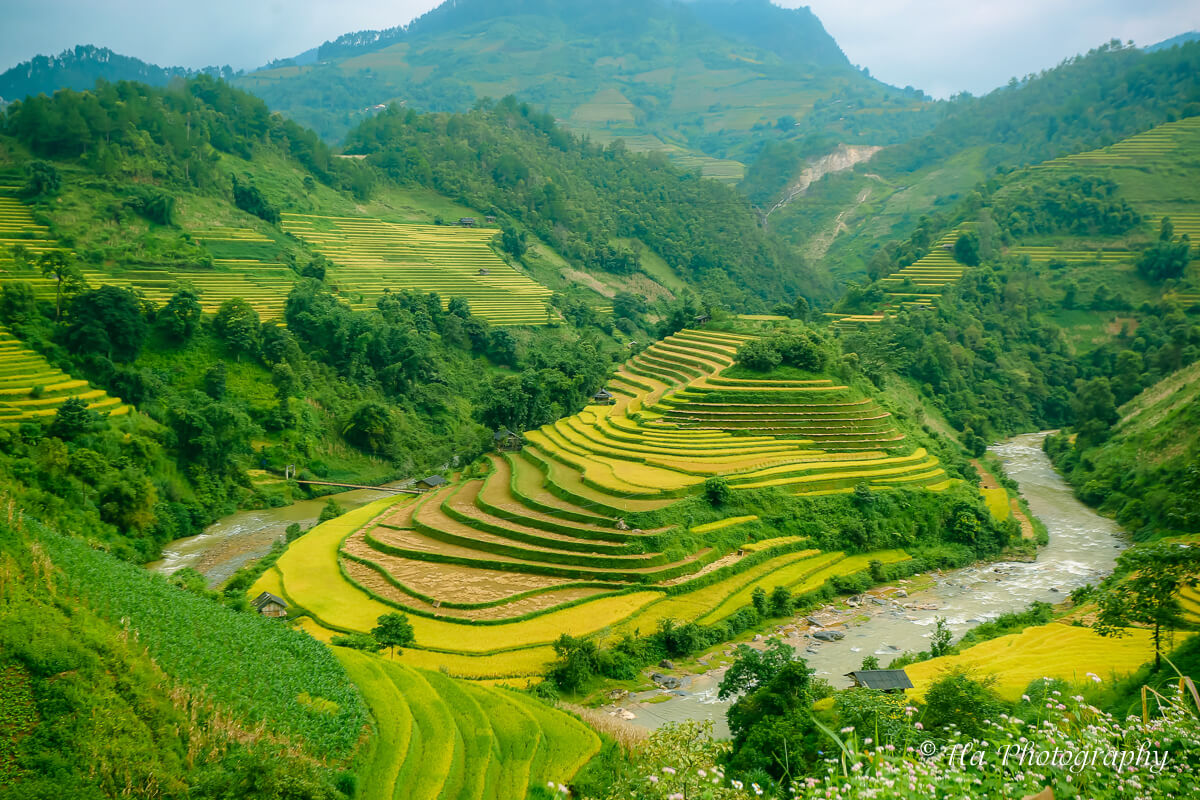
The road climbs through the mountains above Lim Mong Valley, and there are so many places where you’ll want to stop and look down over the rice fields below.
This is one part of the trip I wouldn’t rush. Leave extra time between Tu Le and Mu Cang Chai so you can stop when you see a good view rather than treating the pass as somewhere you simply drive through.
And if the weather is clear, the scale of the valley from up here is beautiful.
4. Trek through the rice terraces
I wouldn’t come all the way to Mu Cang Chai and only see the rice terraces from roadside viewpoints.
Walking between the fields around La Pan Tan gives you a much better sense of the landscape. You’ll pass irrigation channels, farms, houses and terraces that you’d barely notice from the main road.
You can keep it simple with a shorter walk or spend most of the day trekking through the countryside.
If you want to go beyond the obvious routes, I’d book a local guide rather than trying to piece together a longer trail yourself.
Book a guided Mu Cang Chai trekking tour →
You might also like my guide to the best hiking places in Vietnam if you’re planning more outdoor stops around the country.
5. Go paragliding over Lim Mong Valley
If looking at the rice terraces from the road isn’t enough, you can also see them from the air.
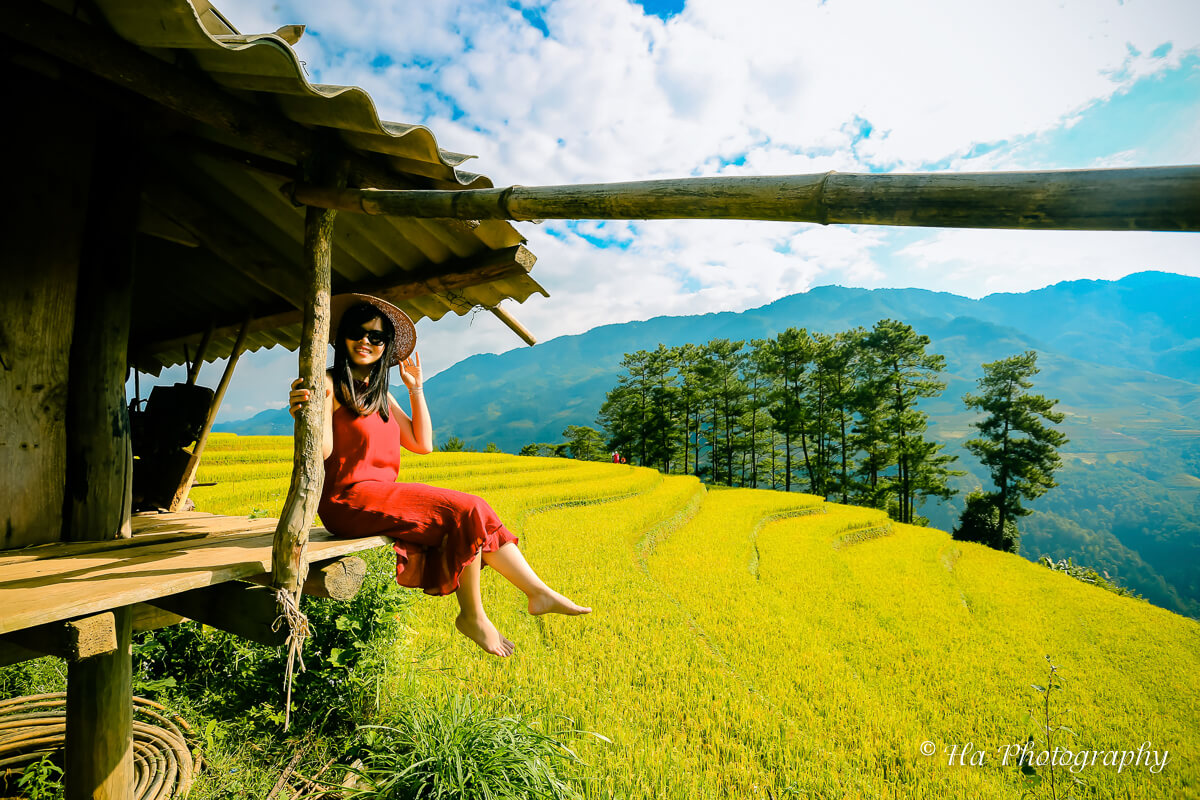
Tandem paragliding takes off around Khau Pha Pass and flies over Lim Mong Valley, with the rice fields and mountains spread out below you.
I’d add this if you want one big activity alongside all the sightseeing. You don’t need previous paragliding experience because you fly with an instructor.
And even if you’ve already stopped at Khau Pha Pass, seeing the same valley from above is a completely different experience.
Check Mu Cang Chai paragliding availability →

6. Explore beyond the main La Pan Tan viewpoints
Mam Xoi gets most of the attention, but La Pan Tan is worth more than one quick photo stop.
Once you move away from the main viewpoint, you’ll find terraces spreading across the slopes in every direction. This is where I’d slow down, walk a little and enjoy the scenery without constantly moving on to the next named attraction.
You can also explore farther towards areas such as De Xu Phinh and Che Cu Nha if you have more time.
The Dinosaur Spine viewpoint around De Xu Phinh is particularly worth adding if you want a wider mountain panorama rather than another close-up rice terrace formation.
I’d save these quieter areas for a second or third day rather than squeezing them into a rushed first-day checklist.
7. Walk through the bamboo forest
After a day surrounded by open rice terraces, the bamboo forest makes a nice change.
The tall bamboo grows tightly along the hillside and creates a completely different atmosphere from the bright, wide-open valleys around La Pan Tan.
The forest around Pung Luong is one of the better-known places to visit in Mu Cang Chai. I’d combine it with other stops nearby rather than making it the main destination for the day.
It’s especially worth adding if you enjoy photography and want something besides another rice field viewpoint.

8. Stop in Tu Le for food and valley views
Tu Le is easy to rush through on the way to Mu Cang Chai, but I’d stop here.
The town sits in a valley surrounded by rice fields and mountains, and it makes a good break before or after crossing Khau Pha Pass.
Tu Le is particularly known for cốm, young green sticky rice made from newly harvested grains. If you’re visiting around harvest season, it’s one of the local foods I’d look out for.
You can also wander around the valley, stop for lunch or stay overnight if you prefer traveling at a slower pace.
For me, stops like this make the trip more interesting than spending two days moving from viewpoint to viewpoint.
9. Visit Mu Cang Chai market
If you’re staying near Mu Cang Chai town, have a wander through the local market while you’re there.
You’ll see vegetables, herbs, rice products and other produce from the surrounding mountains, along with plenty of everyday shopping.
I like visiting markets because you get a much better feel for a place once you move away from the sightseeing stops.
And if you’re hungry, this is a good opportunity to look for sticky rice, grilled meat and local mountain vegetables rather than searching for somewhere aimed specifically at tourists.
Where to stay in Mu Cang Chai
I’d choose your accommodation based on what kind of trip you want rather than automatically staying in the center of Mu Cang Chai town.
If you’re mainly here for rice terraces and trekking, staying closer to the countryside can make more sense.
Garrya Mù Cang Chải
Garrya Mù Cang Chải is the one I’d choose if you want the hotel itself to feel like part of the trip.
It’s a much more luxurious option than the usual mountain homestays, with the kind of setting where you’ll probably want some time to enjoy the property rather than being out sightseeing from morning until night.
Mu Cang Chai Eco Lodge
Mu Cang Chai Eco Lodge is a good middle ground if you want mountain views and a countryside setting without going for a luxury resort.
I’d look at this type of stay if waking up somewhere scenic matters more to you than being close to the center of town.
Mu Cang Chai Homestay & Trekking
If walking through the terraces is your main priority, a local homestay connected with trekking routes is a practical choice.
Hello Mu Cang Chai Homestay is one I’d choose for a more local, laid-back stay, with simple bungalows, mountain views and a beautiful setting among the rice terraces of La Pán Tẩn.
Compare Mu Cang Chai hotels and homestays →
How many days do you need in Mu Cang Chai?
I’d stay for at least two nights.
That gives you enough time for Mam Xoi, Mong Ngua, Khau Pha Pass and a walk through the rice terraces without spending the whole trip rushing between places.
With three nights, you can slow things down and add quieter areas such as De Xu Phinh, the bamboo forest or a longer trek.
Is Mu Cang Chai worth visiting?
If rice terraces and mountain scenery are high on your Vietnam list, absolutely.
But I wouldn’t come here just to collect the famous viewpoints. Some of the best parts are the stretches in between, riding through Khau Pha Pass, walking around La Pan Tan and stopping somewhere because the view looks too good to keep going.
That’s why I’d give Mu Cang Chai a couple of days rather than trying to turn it into a quick side trip.
For more help planning your visit, see my complete Mu Cang Chai travel guide.
Final thoughts
While Vietnam is a country of diverse landscapes and cultures, Mu Cang Chai, with its authentic charm and untouched beauty, holds a special place in my heart.
From the high-flying adventures above Khau Pha Pass to the quiet moments by the Lim Mong Valley, this enchanting region beckons travelers to return, explore, and fall in love all over again.